Big home spends deserve slow thinking. This homeowner research guide walks through roofing and solar decisions before money leaves your account — whether you are in a suburb, a rural property, or a coastal wind zone. Set your state in the location bar above to see localized labor and incentive notes.
Companion reads: roofing vs solar sequencing, solar products guide, and NC roof costs (state-specific example).
Advertisement
Step 1: Establish Roof Truth
Order an attic walk (yours or a roofer's) for decking stains, daylight at penetrations, and shingle brittleness. Note install year and any insurance claims after recent wind events in Iredell or Mooresville. If remaining life is under eight years, default to re-roof before modules — removal pricing belongs in the solar model.
- Photograph problem areas from ground and attic.
- Collect prior invoice or shingle brand if available.
- Ask insurers about requirements after upgrade.
Step 2: Normalize Quotes
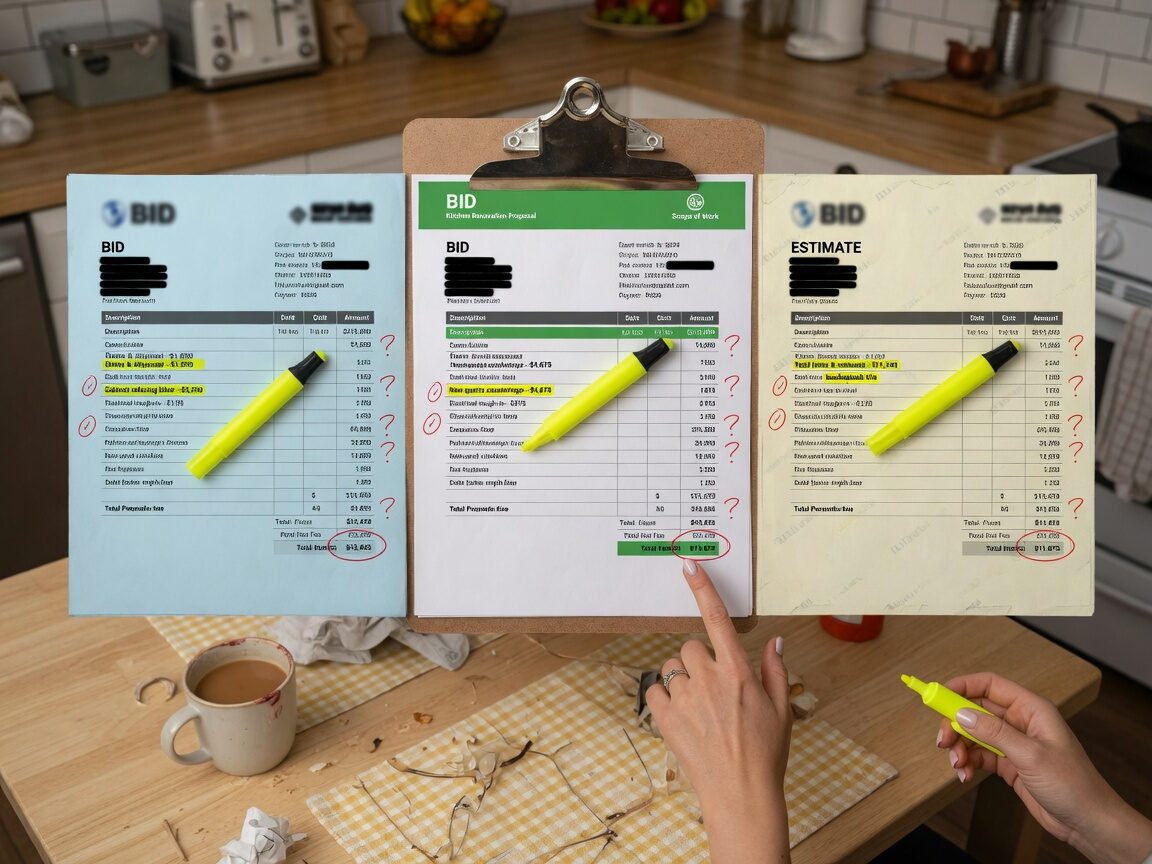
Roof quotes should list tear-off, underlayment, shingle SKU, ventilation, and warranty. Solar quotes should list module/inverter SKUs, estimated kWh, degradation, inverter replacement horizon, and roof penetration warranty. Stack both on a spreadsheet — monthly payment alone hides cross-subsidies.
For equipment-first shoppers, pull live full-kit pricing from Signature Solar and model DIY permits vs hired labor in our kit cost estimator before you accept a turnkey $/W quote.
Step 3: Understand Incentives and Utility Rules
Federal ITC mechanics change over time — verify eligible basis with your tax preparer. Duke territory net metering and rider updates affect payback in Yadkin, Surry, Wilkes, and metro counties alike. Utility savings are not automatic; they follow usage, rate schedules, and orientation.
Also map HEAR / HOMES rebates before you sign either trade. Point-of-sale HEAR dollars can shrink heat-pump and panel-upgrade costs that change roof-and-solar sequencing — see our HEAR home energy rebates guide for validated signup links in your state (programs roll out gradually; confirm status on the official portal).
Roof material choice still matters: shingle selection for most suburban homes, metal options for some rural builds. Solar flashing must match the covering — generic solar panel roof flashing kit is not a universal spec.
Step 4: Red Flags Before You Sign
Walk away from bundled "free roof with solar" framing, vague removal clauses, door-to-door same-day discounts, and contractors who will not put penetration warranty in writing. In Elkin and Mount Airy, get local references plus manufacturer certification cards — not just yard signs.
Another red flag: production guarantees without shade analysis on tree-lined lots — common in older Mooresville neighborhoods where oaks grow faster than panel layouts update.
Step 5: Sequence the Work
Default path: roof tear-off and dry-in, inspection, mount install, electrical, final inspection. If roof is new, solar may parallel — but never let panel crews punch holes in failing shingles. For durability expectations, read what holds up in NC humidity.
Utility and AHJ Coordination
Call the local inspection office in Surry, Iredell, or your county seat early — combined roof and solar permits sometimes need separate trades listed. Utility interconnection paperwork trails roof completion; build that lag into move-in or listing timelines.
Step 6: Post-Install Paperwork
Store warranty registrations, inverter manuals, torque specs for mounts, and roofer workmanship warranty. Note who to contact — our contact form for guide questions, your installers for warranty claims. Good research ends with a folder, not a handshake.
Interview Questions That Actually Help
Ask roofers: "What underlayment brand and valley method?" Ask solar: "Who owns penetration warranty and for how long?" Ask both: "What happens if production is 15% below model year one?" Vague answers matter as much as low price. Request reference roofs aged five years in your county — a pristine Charlotte install tells you less than a Surry ridge after two ice winters.
Sample Timeline Template
Week 1–2: inspections and parallel quotes. Week 3: contract with defined dry-in date. Week 4–5: roof install and municipal inspection. Week 6–7: solar mount and electrical. Week 8: utility PTO when applicable. Build slack for rain — NC pop-up storms delay dry-in regularly. Do not book vacation assuming a single uninterrupted week unless your contract has weather clauses.
Closing Perspective
Roofing and solar are complementary when sequenced honestly. Rush either trade and you pay twice. Take a month, compare three of each, and let NC weather be the reminder that flashing beats slogans every time.
Keep a single project folder — roof quotes, solar production models, permit receipts, and installer licenses — so the next buyer or your future self inherits clarity, not guesswork.
Share the folder with a trusted family member before major spend — second eyes catch removal-clause gaps that feel obvious only after the first leak at a mount in Iredell County.
Slow research is cheaper than fast regret — NC weather will test whichever trade you shortcut.
Financing offers should show APR, term, and total paid — not just monthly payment beside a photo of a Pilot Mountain sunset on the sales deck.
Escrow closings in Charlotte need roof certifications faster than solar PTO — sequence paperwork so listing photos match inspection reality.
Bookmark Duke Energy interconnection pages and your county permit portal — URLs change and expired links slow projects weeks.
Late July 2026 research folder checklist
Use late-summer desk time while crews stay booked — keep roof quotes, solar production models, penetration warranties, and HEAR portal links in one folder before either contract. Run the solar ROI calculator and roof cost estimator with conservative assumptions, not sales-deck best cases — especially if you are sequencing a re-roof before fall solar.

National homeowners: set your state in the location bar for localized labor notes, then open federal tax credit basics alongside utility rules in your territory. NC homeowners: see also NC incentives detail.
Frequently asked questions
Should I replace my roof before solar?
If shingles are past midlife or the deck is questionable, re-roof first — removal and re-flash costs dwarf 'saving' a failing roof.
Can I finance roof and solar together?
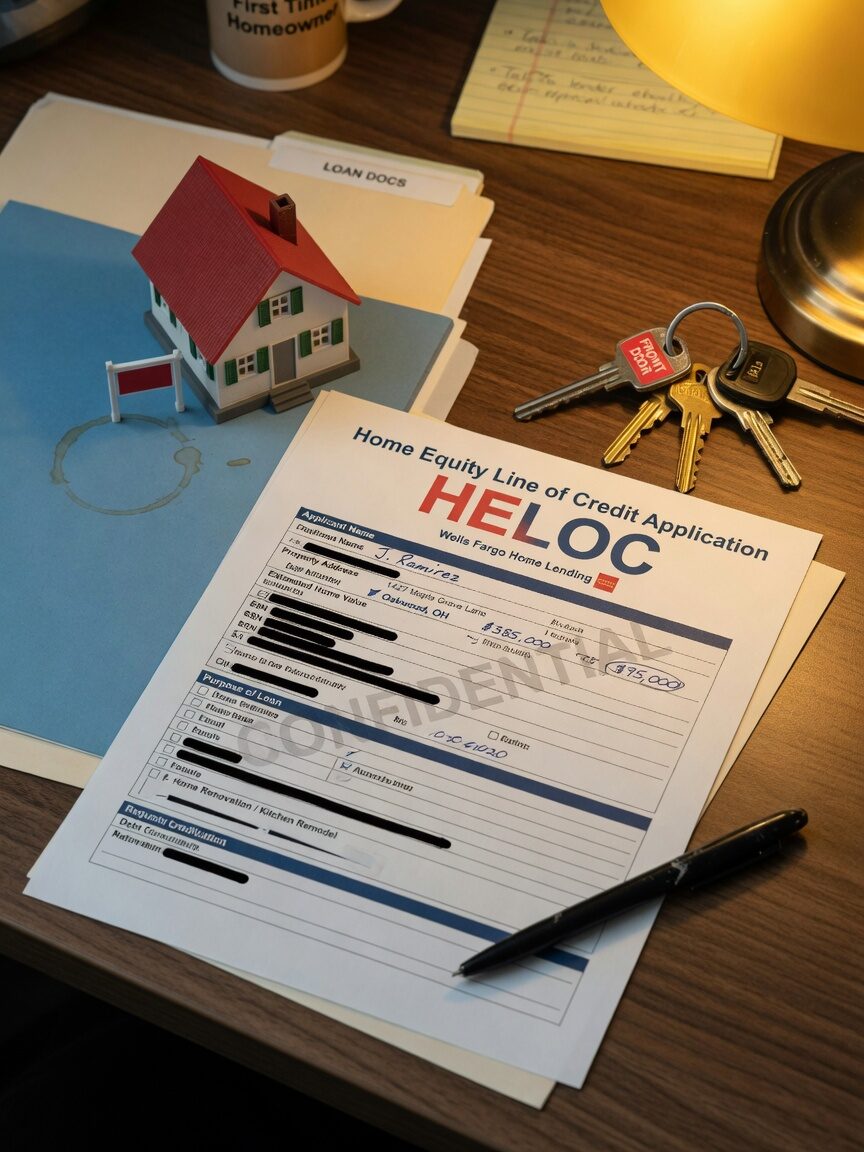
Sometimes via HELOC or sequential loans — avoid stacking leases with unclear roof responsibility.
What tax credits apply in NC in 2026?
Federal ITC may offset qualified solar costs; roof replacement alone is usually not ITC-eligible — see our incentives guide.
What are HEAR home energy rebates?
HEAR (High-Efficiency Electric Home Rebates) is a federal IRA program rolled out state by state for heat pumps, wiring, and efficiency upgrades — use our nationwide guide and set your state for validated signup links.
Research tools — free, no signup
As an Amazon Associate, RoofingHut earns from qualifying purchases. Some links are affiliate links, which may earn us a commission at no extra cost to you.