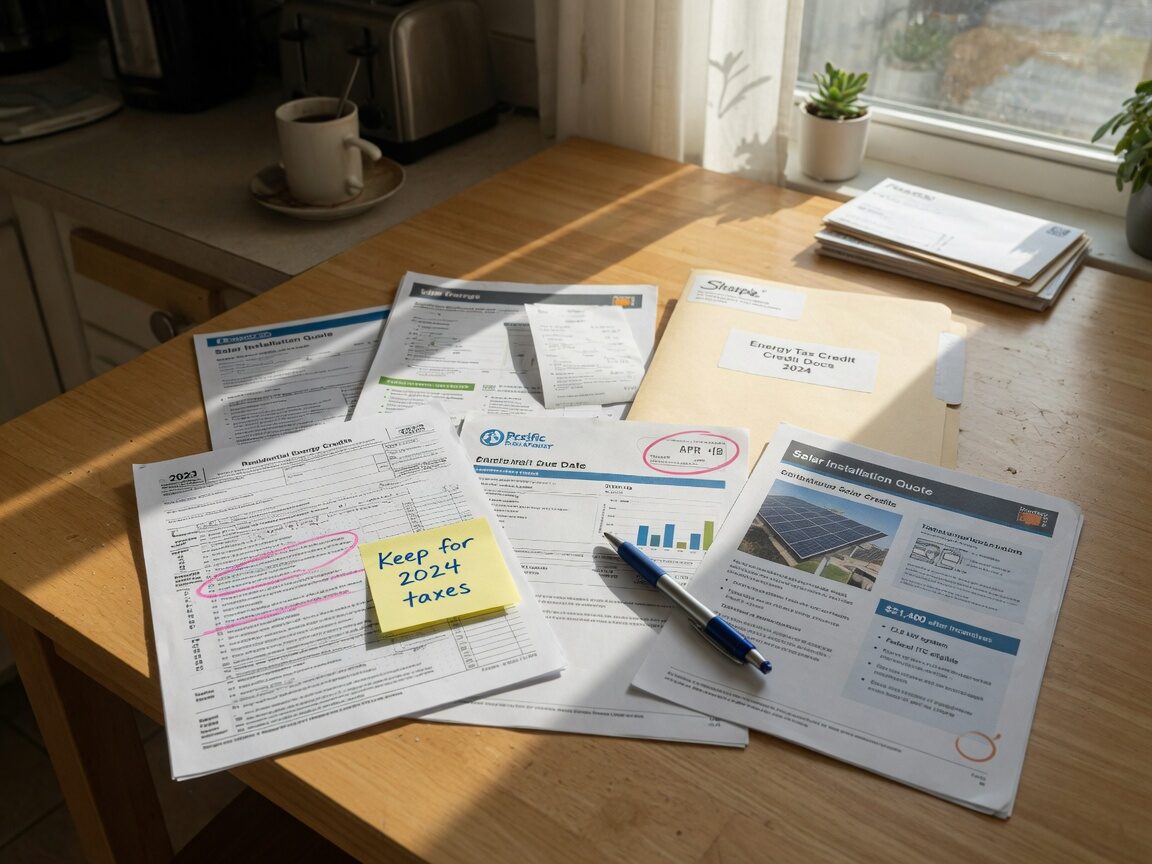
North Carolina homeowners routinely leave money on the table by stacking only the federal solar tax credit and missing property tax rules, utility programs, and efficiency rebates that can change payback by thousands of dollars. This guide lays out what is available in 2026, what requires action before install, and what to verify with your CPA and utility — not a salesperson.
Pair this with our Solar ROI calculator and financing guide so incentives inform how you pay, not just how much you save.
Advertisement
Federal Residential Clean Energy Credit (Solar ITC)
The IRS Residential Clean Energy Credit allows eligible homeowners to claim 30% of qualified clean-energy property costs — solar PV, batteries charged by solar, and certain related equipment — against federal income tax liability. The credit applies to primary and secondary residences you own and live in; rentals follow different rules.
- Rate: 30% through 2032 under current law, stepping down afterward unless Congress changes the schedule.
- How it works: Non-refundable credit — you need sufficient tax liability to use it, though carryforward rules may apply. Ask a CPA; we do not provide tax advice.
- Timing: Generally tied to when the system is placed in service. Do not assume a December install qualifies for that tax year without documentation.
- Batteries: Standalone storage must meet IRS capacity and charging rules to qualify — verify before you buy a home battery backup system on hype alone.
North Carolina State Programs
NC does not offer a broad state income tax credit for residential solar the way some states do. What NC does provide often gets overlooked:
- Property tax exemption: Active solar electric systems can be excluded from property tax assessment increases tied to the equipment (G.S. § 105-277). File the required documentation with your county — deadlines matter.
- State revolving loan programs: NC Clean Energy Technology Center and partner lenders periodically offer low-interest loans for efficiency and solar. Check current enrollment — programs pause when funded.
- Net metering policy: Duke Energy and Dominion rules determine buyback value for exported kWh. Policy shifts can affect ROI more than a slightly cheaper panel quote. Read your utility tariff, not the sales deck.
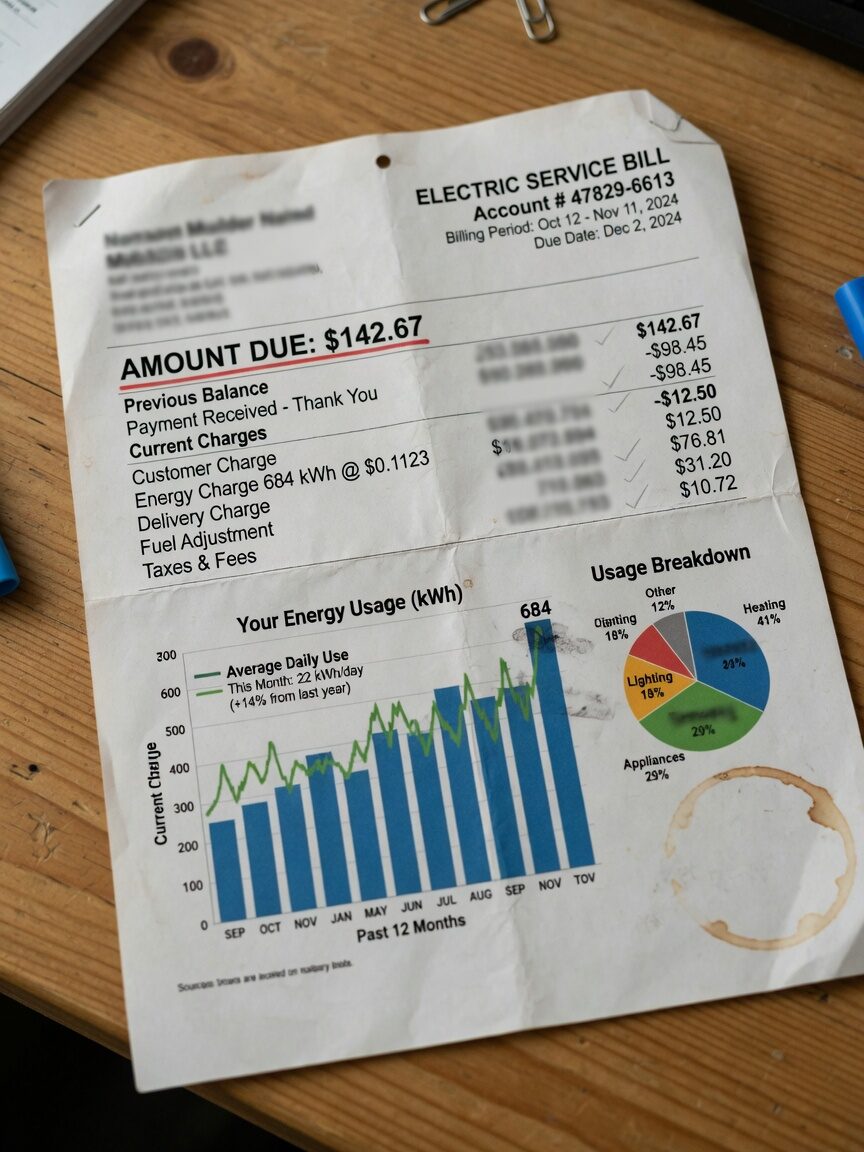
Utility Rebates & Efficiency Programs (Often Missed)
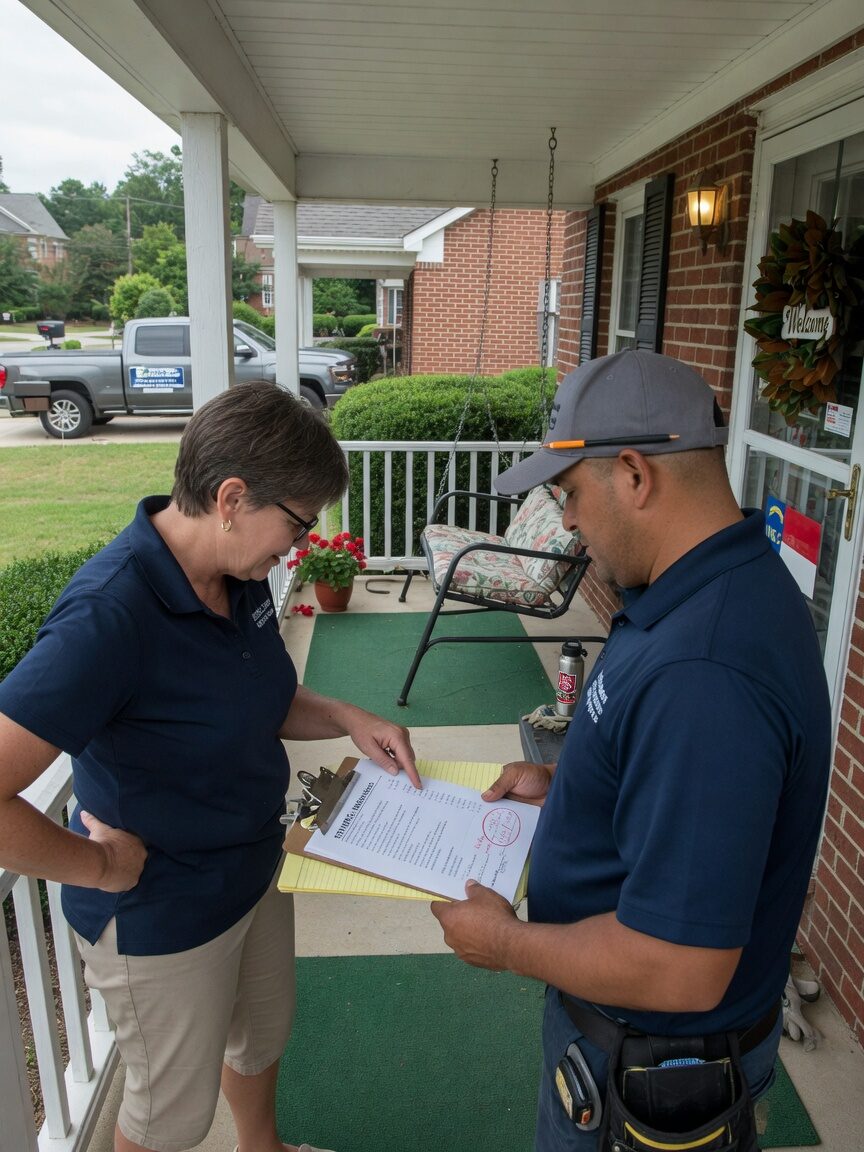
Duke Energy Carolinas / Progress has historically offered limited residential solar rebates on a lottery or waitlist basis — capacity fills fast. Even when solar rebates are closed, Duke's Home Energy House Call and similar audits deliver free or low-cost efficiency measures that shrink the load your array must cover.
- Check current Duke solar rebate status on Duke-Energy.com before promising customers a rebate in quotes.
- Look for heat pump water heater and HVAC rebates — stacking efficiency incentives can delay or downsize the solar system you need.
- Rural electric cooperatives (Surry-Yadkin, EnergyUnited, etc.) run their own schedules — call member services, not a national installer call center.
IRA Home Energy Rebates (HEAR & HOMES)
Separate from the 30% solar ITC, federal HEAR (High-Efficiency Electric Home Rebates) and HOMES (Home Owner Managing Energy Savings) programs roll out state by state under the Inflation Reduction Act. HEAR often covers heat pumps, wiring, and panel upgrades at point of sale — dollars that can change how much solar you need and what you finance.
Programs launch on different timelines; NC status may differ from neighboring states. Set your state in the location bar or open our HEAR home energy rebates guide for validated signup links before you model payback — do not assume a national installer pitch matches your state's live portal.
Federal Efficiency Tax Credits (Stack With Planning)
Separate from the 30% clean energy credit, the Energy Efficient Home Improvement Credit can offset part of heat pumps, insulation, windows, and electrical panel upgrades when you meet eligibility caps. If you are upgrading a panel for solar, modeling both credits with your CPA avoids leaving money on the table or double-counting ineligible costs.
Local & County Notes for Surry, Yadkin & Piedmont
Permit fees, inspection timelines, and HOA architectural rules vary by municipality. Elkin, Mount Airy, and unincorporated Surry County each route permits differently — your installer should pull permits, but you should confirm fees appear on the contract. For product prep, a whole home energy monitor helps document pre-solar usage when disputing production estimates later.
Pre-Install Checklist
- Confirm federal ITC eligibility and tax liability with a CPA.
- File NC property tax exemption paperwork when required by your county.
- Register for utility rebates before install if the program requires pre-approval.
- Capture one year of usage data (Green Button or bills) for realistic sizing.
- Read net metering and time-of-use updates for your exact tariff class.
- Check HEAR / HOMES rebate status in your state before locking equipment scope.
Model payback with incentives
As an Amazon Associate, RoofingHut earns from qualifying purchases. Some links are affiliate links, which may earn us a commission at no extra cost to you. Tax and incentive details change — verify with your CPA, utility, and installer.