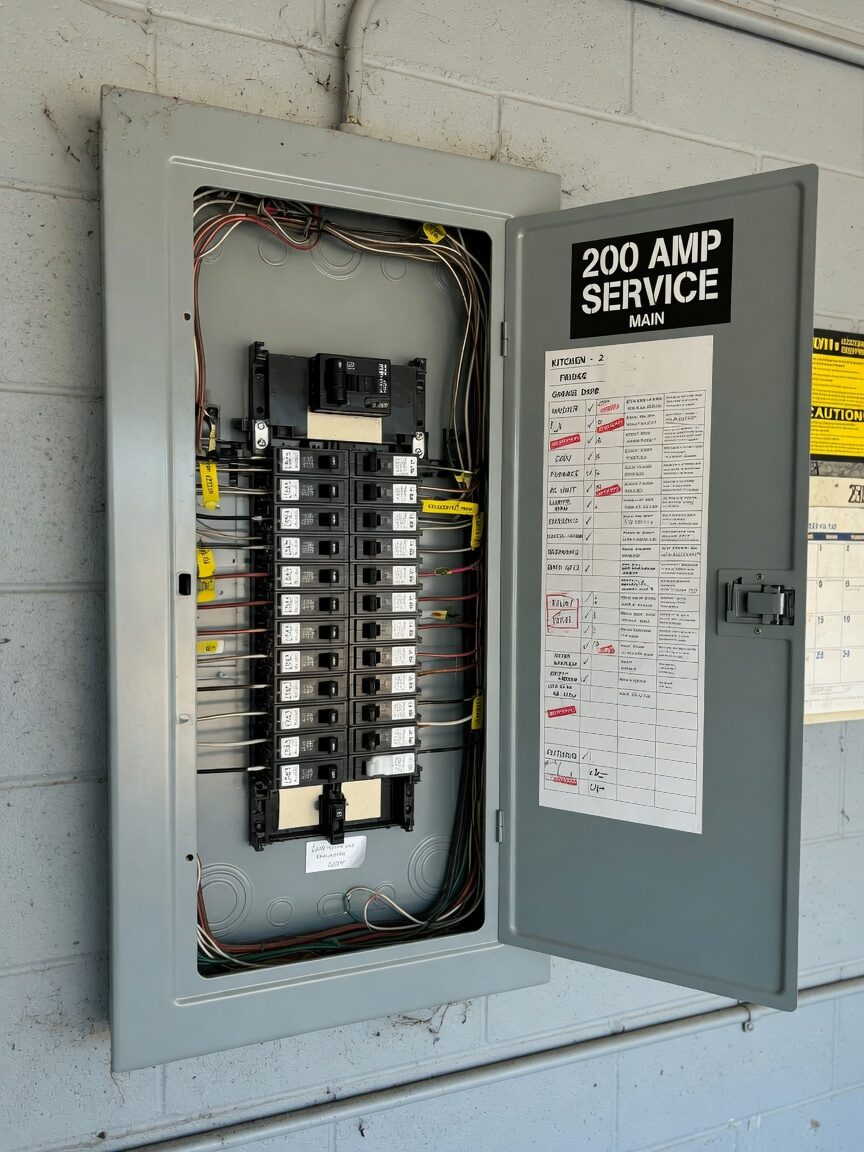
Solar, EV chargers, and heat pumps all land on your electrical panel first. This guide explains when a panel upgrade is truly required in NC homes, what permits involve, and gear that keeps DIY ambitions safe.
Advertisement
Panel Upgrades & Solar
Installers often spec a main panel upgrade (MPU) when bus capacity, breaker space, or utility rules require it. Get a second opinion if the upsell appears before a load calculation. Federal efficiency credits may apply to panel costs when tied to qualified upgrades — see tax credits guide. IRA HEAR rebates in participating states can also offset wiring and panel work tied to electrification — check our HEAR home energy rebates guide and confirm live status on your state's official portal before you finance an MPU.
EV Charging at Home
Level 2 chargers need a dedicated circuit — typically 40–60A. Compare Level 2 EV charger 240V units with NEMA ratings your electrician confirms. Rural Surry County homes may need longer trench runs — price trenching separately.
Safety & DIY Boundaries
Homeowners can swap devices and bulbs; panel work, service drops, and solar interconnection require licensed electricians. A non-contact voltage tester is fine for troubleshooting; it does not replace a pro for service upgrades.
Ballpark Costs (NC)
- 200A panel upgrade: $2,200 – $4,500.
- Level 2 EV circuit + charger install: $800 – $2,200.
- Whole-home surge protection: $300 – $600.
Pair electrical scope with solar planning and contractor vetting so one crew does not orphan another's work.

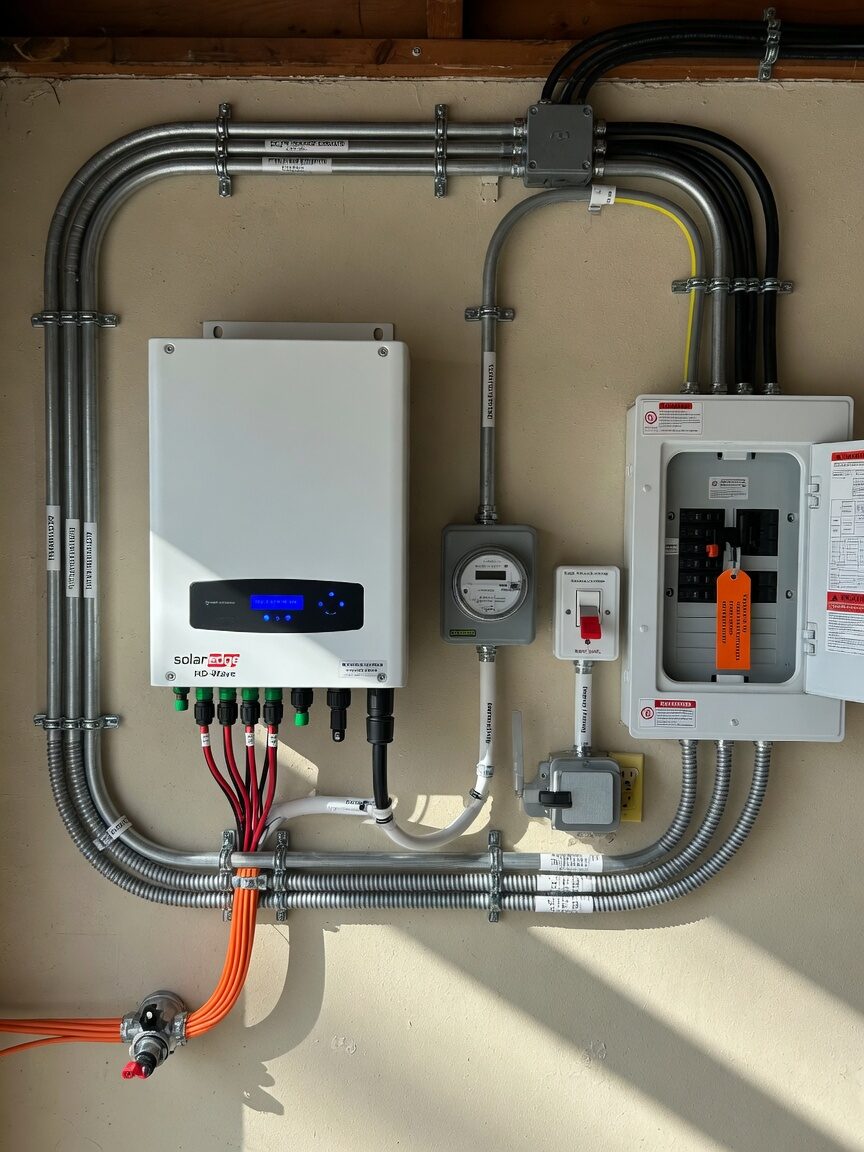
Plan panel work with solar
As an Amazon Associate, RoofingHut earns from qualifying purchases. Some links are affiliate links, which may earn us a commission at no extra cost to you. Tax and incentive details change — verify with your CPA, utility, and installer.