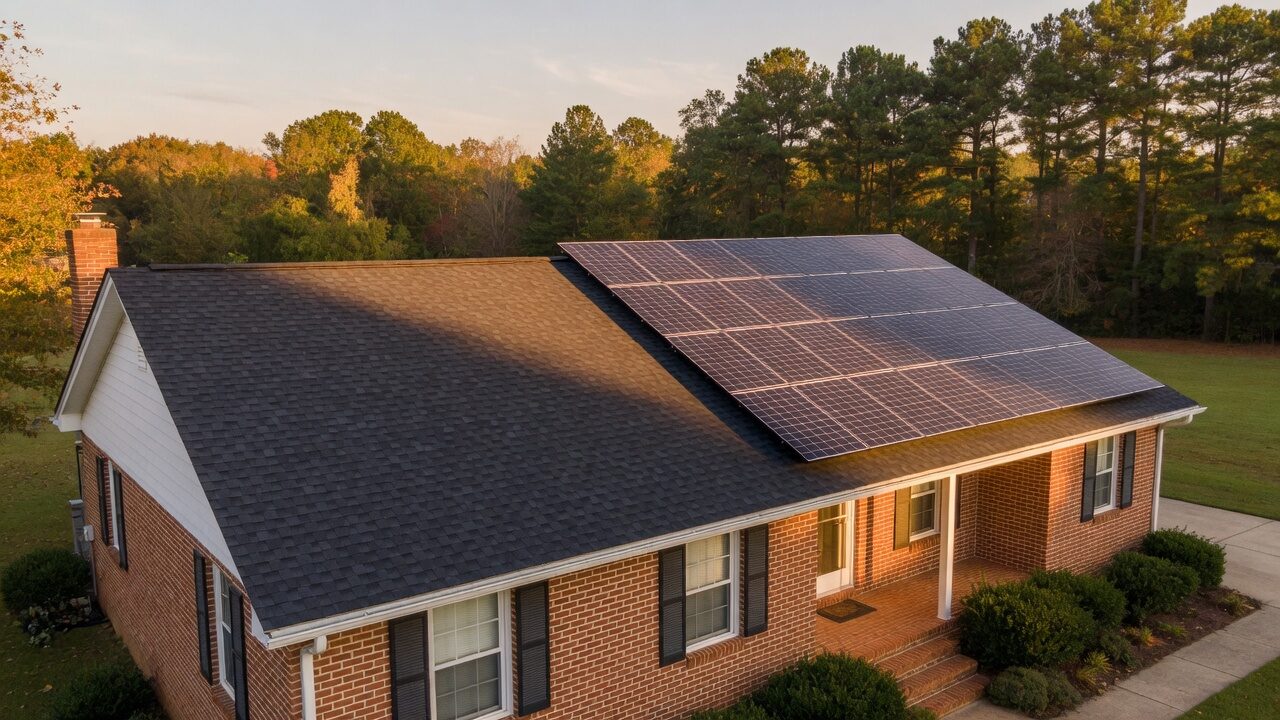
Should you replace the roof first or install solar first? In North Carolina, the wrong order costs real money — removal fees, voided shingle warranties, and rushed decisions before hurricane season. Homeowners from Charlotte to Elkin face the same sequencing question once two sales teams show up the same month.
Go deeper with our full research guide, solar products to buy and skip, and dollar anchors in NC roof costs.
Advertisement
Roof First: The Default Answer
If asphalt is past 12–15 years, cupping appears, or decking feels soft underfoot in the attic, re-roof before solar. Installers need a sound nailing surface; shingle manufacturers limit mount penetration rules. In Mooresville and Iredell lake corridors, one removal-and-reinstall cycle can erase years of solar savings.
- Young roof (0–5 years): Solar may proceed after a structural and electrical site review.
- Midlife roof (8–15 years): Model removal cost before committing panels.
- End of life (15+ years): Roof first, almost always.
Solar First: Rare but Real Cases
Solar-first can make sense when the roof is new, incentives expire, and you have written removal pricing capped in the solar contract. Some Statesville and Charlotte buyers negotiate panel layouts that avoid future valley work — but that requires installer cooperation and realistic roof plans.
Financing Traps
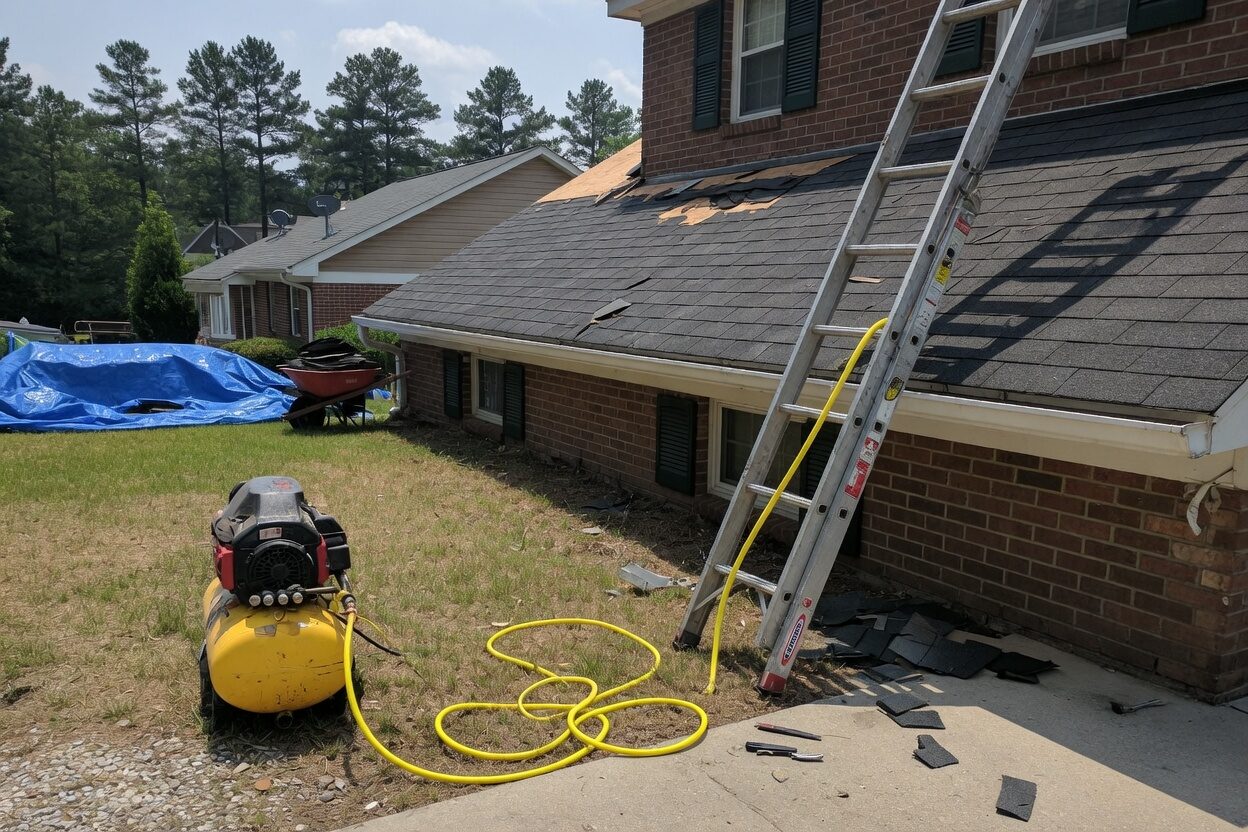
Stacking a roof loan and solar loan from different vendors obscures true cost. Ask for consolidated timelines: tear-off, dry-in, mount install, inspection. Duke Energy territory net metering rules evolve — production assumptions in Surry, Yadkin, and Wilkes counties still depend on usage, orientation, and shade.
Do not let solar sales teams spec shingle brands; do not let roofers guess inverter clipping. Each trade has a scope box. For material context, see best shingles and metal roofing if you are considering metal before panels.
Home Sale and Transfer Scenarios
Selling within five years? Buyers ask about roof age, solar loan assumption, and PPA transfer rules. A new roof with transferrable workmanship warranty often beats older shingles with leased panels — even if monthly solar payment looked painless at signing in Statesville.
Metal Roofs and Solar
Standing seam can use clamp mounts with fewer penetrations — attractive on rural builds near Pilot Mountain. Exposed-fastener corrugated needs careful gasket discipline; microinverters help with partial shade from dormers common on older Mount Airy homes. Flashing kits must match profile — generic solar panel roof flashing is not universal.
If you are choosing metal partly for solar mounts, read panel profiles before ordering — clamp compatibility varies by rib spacing and seam height, and mismatched assumptions drive change orders mid-install.
Warranty Overlap and Workmanship
Roof workmanship warranties (often 5–10 years) run parallel to solar installer workmanship (varies wildly). Module product warranties are 25 years; inverters shorter. Get clarity: if a lag leaks, who pays tear-out? If decking rots under a mount, is that roofing or solar scope? Written answers prevent finger-pointing in year seven — common on homes between Elkin and Statesville where storms stress both systems.
Tax Credit and Incentive Basics
Federal residential clean energy credit mechanics apply to qualifying equipment — verify eligible basis with a tax professional before you bake credit into loan math. NC utility programs change; do not assume last year's forum post still holds. Roof replacement alone is generally not solar credit — another reason to separate projects mentally even if one contractor bundles marketing.
IRA HEAR and HOMES home energy rebates are separate from the ITC — they can offset heat pumps, wiring, and envelope work that changes how much solar you need. Set your state in the location bar or open our HEAR home energy rebates guide before you lock project order; rollout timing varies by state.
Decision Checklist
Get roof remaining life in writing, solar production estimate with shade study, removal/reinstall clause, and one roof penetration warranty holder. If answers conflict, pause — summer storms do not wait for clarity.
Model payback with conservative production, not salesman best-case. A roof scheduled for year eight should not carry panels that cost four figures to remove — common oversight on homes from Pilot Mountain to Statesville.
Ask Duke Energy or your co-op about interconnection timelines before signing roof contracts — delayed PTO should not leave new shingles exposed to mount holes sitting open through a wet Yadkin valley spring.
Lease versus buy shifts who claims credits and who removes equipment at sale — read transfer clauses before roof sequencing decisions on Mooresville waterfront listings.
Tree trimming budgets belong in the same spreadsheet as module count — shade math changes year five when oaks mature faster than contracts assume.
Impact ratings matter on hail-exposed ridges — specify class on the quote, not only in marketing brochures.
Schedule roof and solar inspections on different days when possible — each trade needs dry surfaces and clear accountability without blaming the other crew's footprint on fresh shingles.
Write removal pricing into the solar contract before roof day one — verbal "we'll figure it out" promises fail at the first re-roof near Elkin or Statesville.
Late July 2026 roof-before-solar sequencing
Late July is still ideal for desk research while install calendars stay full — get roof remaining life in writing before you lock solar equipment for fall. Use the national roof estimator with your state selected; compare Texas, Florida, and California guides if you are relocating or benchmarking bids.
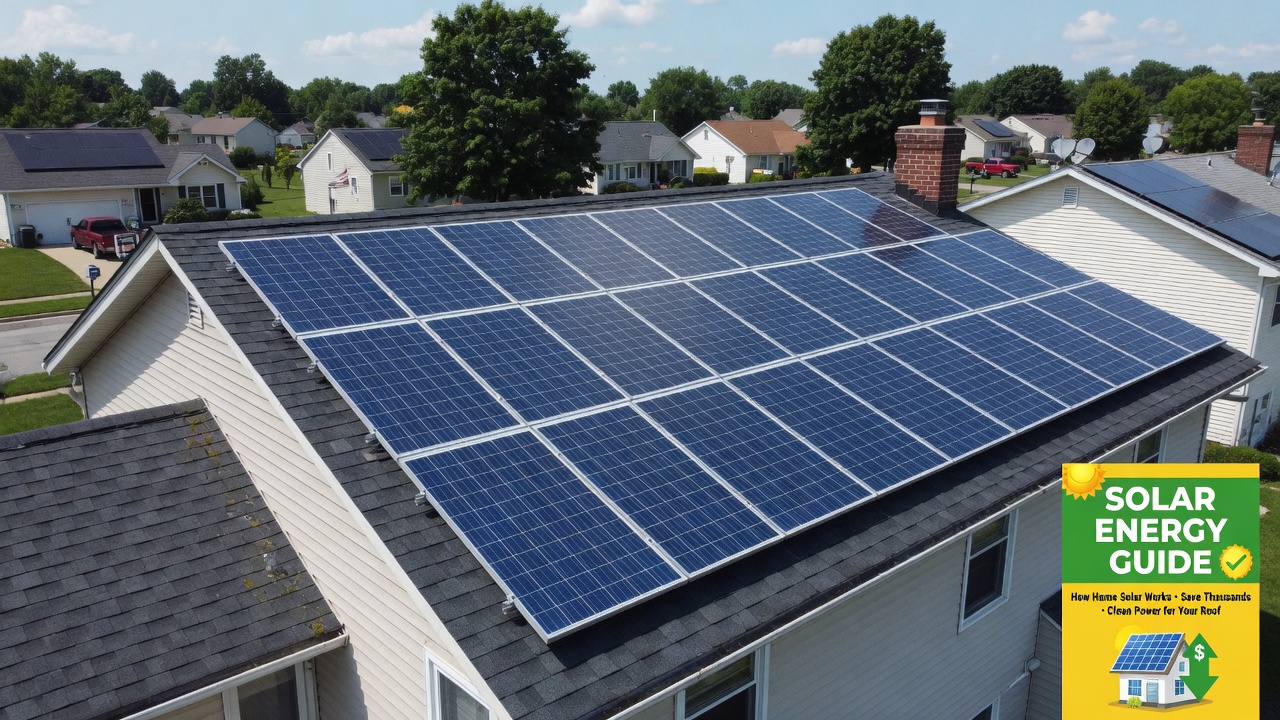
Stack HEAR home energy rebates guide with federal ITC math only after your tax preparer confirms eligible basis — rebates and credits follow different rules.
Frequently asked questions
Should I replace my roof before installing solar?
If asphalt is past midlife, cupping, or the deck is soft, re-roof first — one removal-and-reinstall cycle can erase years of solar savings.
How much does it cost to remove solar panels for a new roof?
Often $2,000–$6,000+ depending on array size and roof complexity — get removal pricing in writing before panels go up.
Can I install solar on a metal roof?
Yes — standing seam clamp mounts need fewer penetrations; exposed-fastener corrugated needs profile-matched flashing kits.
Does the federal tax credit cover roof replacement?
Generally no — the Residential Clean Energy Credit applies to qualifying solar equipment, not asphalt replacement alone.
Sequence roof and solar correctly
As an Amazon Associate, RoofingHut earns from qualifying purchases. Some links are affiliate links, which may earn us a commission at no extra cost to you.