Roofing vs Solar: What Homeowners Should Research Before Spending Money in North Carolina
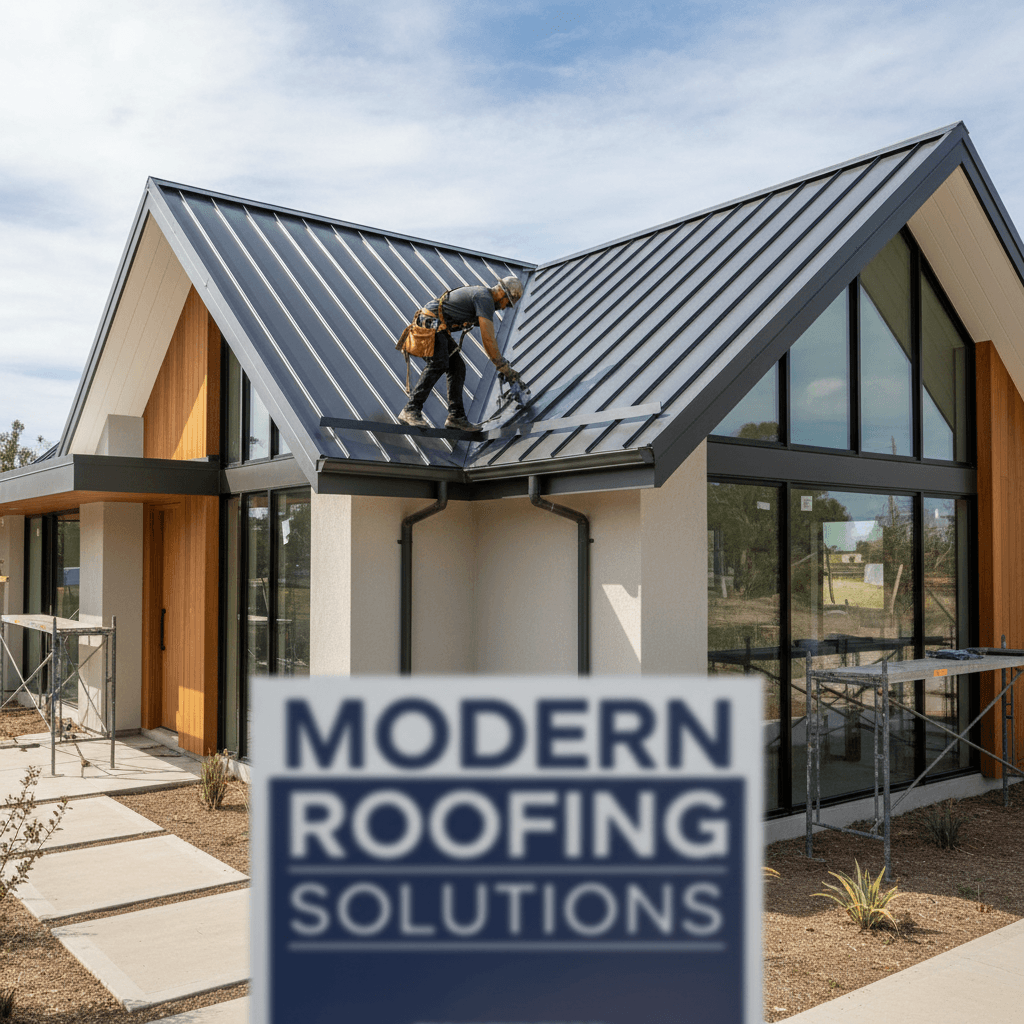
North Carolina homeowners considering both a new roof and solar often face a timing question: Should you replace the roof first, add solar to the existing roof, or do both at the same time? The answer usually starts with one key factor — the current condition and remaining life of your roof.
Solar can be a smart long-term investment for many homes, but installing panels on shingles, decking, or flashing that may need replacement in the next few years often creates expensive problems later. Removing and reinstalling solar panels for roof work adds significant cost and complexity that many homeowners don’t fully account for upfront.
Why Roof Condition Should Come First
A roof is the foundation that protects everything underneath it. If your current roof is already 15–20 years old, has active leaks, soft spots in the decking, or damaged flashing, adding solar on top of it usually isn’t the best use of money. The panels will eventually need to come off for roof replacement, and that process can damage panels, void warranties, or create new leak points if not done carefully.
In my work with homes across Surry, Yadkin, Wilkes, and Iredell counties, I’ve seen situations where solar was installed on aging roofs only to require removal a few years later. In most cases, doing the roof first would have been simpler and less expensive overall.
Key Questions to Answer Before Deciding
Before moving forward with either a roof or solar, it helps to get clear answers to several practical questions:
How old is your current roof and what is its expected remaining life? This is usually the most important piece of information. If the roof is already past or nearing the end of its reliable service life, replacement should generally come before solar.
Are there existing leaks, soft decking, or damaged flashing? These issues should be addressed before solar is installed. Adding panels over problem areas often hides issues that continue to worsen underneath.
How will roof penetrations be flashed and warrantied? Solar installations require multiple penetrations through the roof. Proper flashing around these points is critical to prevent leaks. Make sure you understand who is responsible for the flashing work and how it affects your roof warranty.
What will it cost to remove and reinstall the solar panels if roof work is needed later? This is one of the most overlooked expenses. Panel removal and reinstallation can add thousands of dollars to a future roof project.
How is your attic ventilation and insulation currently performing? Good ventilation and insulation help both roof longevity and solar efficiency. Poor ventilation can shorten roof life and reduce the performance of solar panels by increasing attic temperatures.
When It Makes Sense to Do the Roof First
In most cases, if your roof is aging or showing signs of wear, it makes sense to replace the roof before adding solar. This approach gives you:
A fresh, warrantied roof surface to mount panels on
The opportunity to improve ventilation and insulation at the same time
Better long-term performance from both the roof and solar system
Simpler and less expensive future maintenance
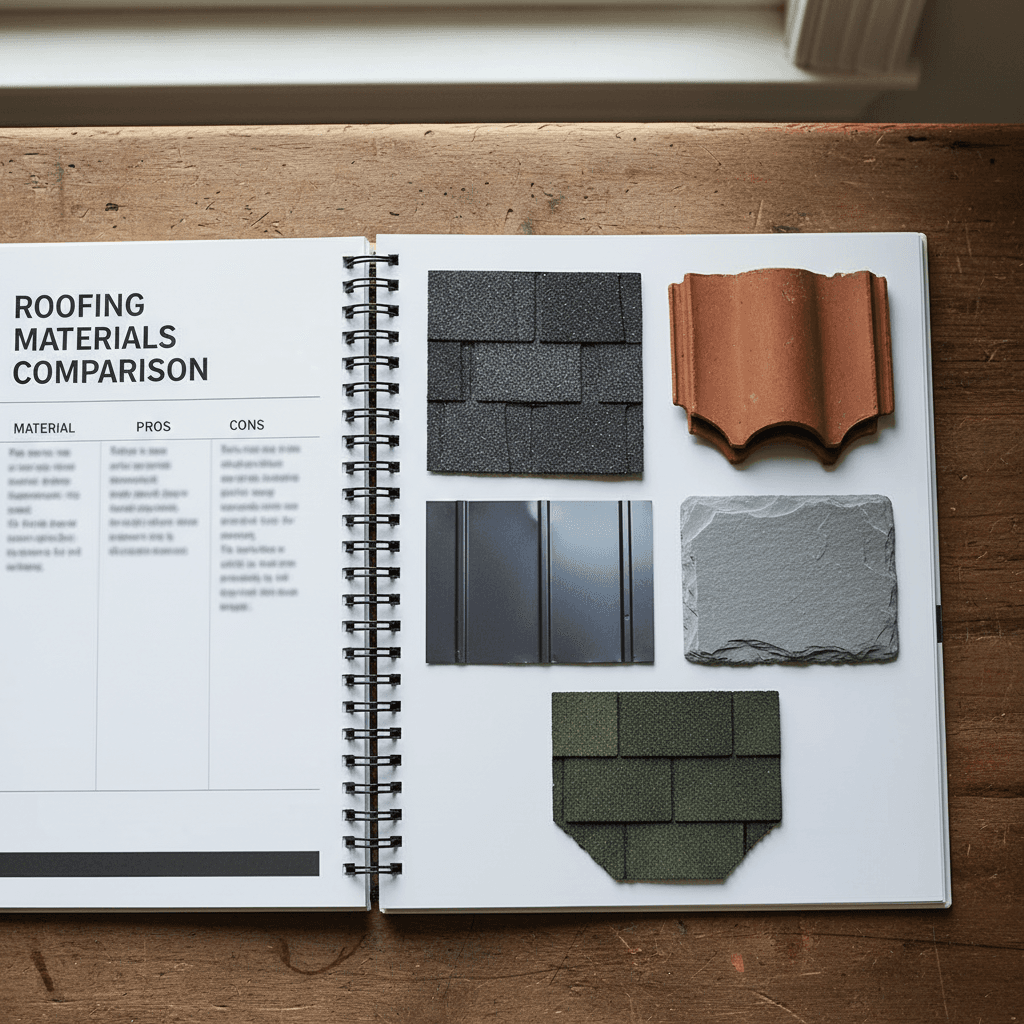
Doing the roof first also lets you choose roofing materials and colors that work well with solar mounting systems and improve overall home energy performance.
When Solar on an Existing Roof Can Make Sense
If your roof is relatively new (generally under 8–10 years old), in good condition, and has strong remaining life, adding solar without a full roof replacement can be reasonable. In these situations, it’s still important to have the roof thoroughly inspected and to use proper mounting and flashing methods that minimize risk to the existing roof.
Even with a newer roof, addressing any ventilation or insulation issues before or during solar installation usually improves long-term results for both systems.
How Roof and Solar Systems Interact
Roof and solar systems affect each other more than many homeowners realize. Solar panels can reduce the amount of direct sunlight hitting the roof surface, which can slightly lower roof temperatures in summer. However, they can also trap heat and reduce airflow if not installed with proper spacing and ventilation planning.
Roof penetrations for solar wiring and mounting hardware need careful flashing. Poorly flashed penetrations are one of the more common sources of leaks on homes with solar. Using quality synthetic roofing underlayment and proper roof flashing sealant around penetrations helps reduce this risk.
Future roof work is also more complicated with solar installed. Planning for eventual panel removal and reinstallation should be part of the decision process from the beginning.
Small Solar Options to Research First
Some homeowners start with smaller solar setups before committing to a full rooftop system. These options can help you understand your energy usage and the technology before making a larger investment.
Renogy 100 watt solar panel kits are popular for small applications like sheds, workshops, or backup power. They’re relatively affordable and give you hands-on experience with solar.
Portable solar generators offer a flexible way to add solar power without permanent roof installation. They’re useful for backup power, camping, or job sites.
LiFePO4 solar batteries are commonly paired with small solar setups for energy storage. They offer good cycle life and safety compared to older battery chemistries.
These smaller options can be good learning tools, though they usually don’t provide enough power to meaningfully offset a home’s full electricity usage.
Practical Decision Framework
Here’s a simple way to think through the decision:
If your roof is aging or has problems → Fix the roof first, then evaluate solar.
If your roof is newer and in good condition with strong ventilation → Solar may be worth pricing now.
If you’re planning to stay in the home long-term and want to maximize energy savings → Consider doing both at the same time so the systems are properly integrated.
If you’re unsure about timing → Start with a thorough roof inspection and get quotes for both roof replacement and solar to compare total costs and long-term value.
Final Thoughts
Comparing roofing and solar in North Carolina usually comes down to timing and roof condition. Installing solar on a roof that will need replacement soon often costs more in the long run due to panel removal and reinstallation. Doing the roof first, or coordinating both projects together, typically delivers better results and fewer complications.
Take time to understand the current state of your roof, your long-term plans for the home, and how the two systems will work together. A thoughtful approach usually leads to better performance and fewer expensive surprises later.
This site contains affiliate links. As an Amazon Associate, RoofingHut earns from qualifying purchases at no extra cost to you.