BOSTITCH Coil Roofing Nailer Review: Best Roofing Nailer for North Carolina 2026
A roofing nailer is a specialized tool that most homeowners will never need to buy, but understanding how it works and what professionals use can help you evaluate the quality of a roof replacement. Proper nailing is one of the most important factors in how well a roof performs, especially when it comes to wind resistance and long-term durability in North Carolina.
In my work with homes across Surry, Yadkin, Wilkes, and Iredell counties, I’ve seen the difference that correct fastener placement and depth make. When nails are driven too deep, too shallow, or inconsistently, it can compromise wind warranties and lead to problems years earlier than they should. Even if you never swing a hammer on your own roof, knowing what the pros should be using gives you better insight when comparing bids and job quality.
What Matters Most in a Roofing Nailer
Not all nailers are created equal. Here are the key factors that actually matter on real jobs:
Consistent nail depth is critical. Nails driven too deep can damage shingles, while nails left too high can back out over time or fail to hold properly during high winds. A good roofing nailer should drive nails to the correct depth consistently across different shingle thicknesses and weather conditions.
Comfort during long roof runs matters more than most people realize. Roofers can spend hours on a roof, so weight, balance, and vibration make a real difference in daily use. Heavier or poorly balanced tools can lead to fatigue and inconsistent work.
Reliable coil feeding prevents downtime. Nothing slows a crew down more than constant jamming or having to stop and clear misfeeds. On larger roofs, this reliability becomes very important for both speed and quality.
Compatibility with common roofing nails gives you flexibility. Most professional crews use standard coil nails, so a nailer that works well with widely available fasteners is usually more practical than one that requires proprietary nails.
Easy jam clearing saves time and frustration. Even the best nailers occasionally jam. Tools that allow quick and safe clearing without a lot of disassembly help crews stay productive.
BOSTITCH Coil Roofing Nailer Overview
BOSTITCH has been a well-known name in roofing nailers for many years. Their coil roofing nailers, particularly the RN46-1 model, are commonly used by professional roofers across North Carolina. They generally offer a good balance of reliability, weight, and price that makes them popular on job sites.
Many crews appreciate the consistent depth adjustment and relatively lightweight design compared to some heavier competitors. The coil magazine holds a good number of nails, which reduces how often the tool needs reloading during a job.
Like most tools in this category, performance depends heavily on proper maintenance. Keeping the nailer clean, lubricated, and using quality nails makes a noticeable difference in how well it performs over time.
North Carolina Homeowner Considerations
For most homeowners, the brand of nailer the roofing crew uses is less important than how they actually use it. What matters more is whether the crew follows the shingle manufacturer’s nailing schedule and placement requirements, especially if you want to maintain wind warranties.
In North Carolina, where we deal with thunderstorms, occasional high winds, and significant temperature changes, proper nailing technique directly affects how long your roof lasts and how well it resists uplift. A good crew will pay attention to starter courses, ridge nailing, and perimeter fastening — areas where shortcuts are common but problems often start.
If you’re getting multiple bids, asking about nail placement and whether they follow manufacturer guidelines can tell you a lot about the quality of work you’ll receive.
Useful Tools and Accessories That Pair With Roofing Nailers
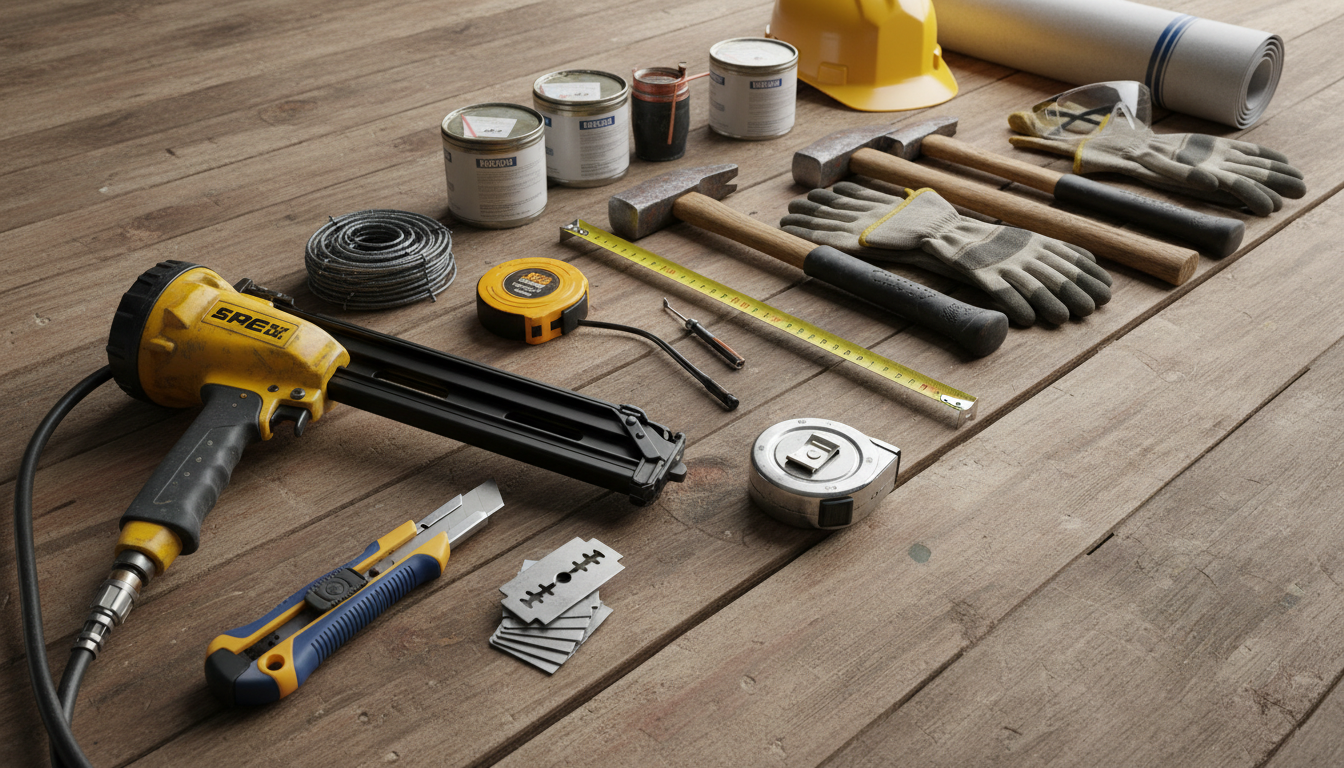
When professionals set up for a job, they usually bring more than just the nailer itself. Here are some related items that make a difference on site:
BOSTITCH coil roofing nailer models like the RN46-1 are popular choices among contractors for their balance of performance and value on residential jobs.
Coil roofing nails in the correct length and gauge for your specific shingles are essential. Using the wrong nails is one of the most common reasons for installation issues.
A good roofing nailer air hose that is lightweight and flexible helps reduce fatigue during long days on the roof. Heavier or stiff hoses can slow crews down and affect consistency.
An appropriately sized air compressor for roofing nailers ensures consistent pressure throughout the job. Undersized compressors can cause inconsistent nail depth as the day goes on.
Roofing nailer oil and maintenance kits help keep the tool running smoothly. Regular lubrication and cleaning extend the life of the nailer and reduce jamming issues.
Some crews also carry extra magazines or quick-change parts so they can keep working if a part fails mid-job instead of losing half a day to repairs.
When Homeowners Should Leave Roofing to the Professionals
While understanding the tools is helpful, most homeowners should not attempt to replace their own roof. Roofing involves working at heights, properly handling underlayment, flashing, and ventilation details, and following manufacturer requirements to maintain warranties. Mistakes can lead to leaks, structural issues, and voided warranties that end up costing far more than hiring a professional crew.
A good roofing contractor will have the right tools, experience, and insurance to do the job correctly and stand behind their work.
Final Thoughts
A quality roofing nailer like the BOSTITCH models commonly used by professionals helps ensure consistent, reliable fastening when installed by skilled crews. For homeowners, the real value in understanding these tools comes from being able to ask better questions and recognize quality workmanship when comparing bids.
Proper nailing technique, following manufacturer guidelines, and using the right fasteners for the job matter far more than any single brand of nailer. Focus on finding a crew that takes these details seriously, and you’ll get better long-term performance from your roof in North Carolina’s climate.
This site contains affiliate links. As an Amazon Associate, RoofingHut earns from qualifying purchases at no extra cost to you.