Best Corrugated Metal Roofing Panels for North Carolina 2026: Honest Residential Review
Corrugated metal roofing has become a popular choice for many North Carolina homeowners, especially those with sheds, workshops, porches, rural properties, and some budget-conscious residential projects. It offers a lower upfront cost than standing seam metal systems while still providing good durability when installed correctly. However, the exposed fastener design requires attention to detail, particularly in our humid climate with heavy rain and occasional high winds.
In my work helping homeowners with home performance issues across Surry, Yadkin, Wilkes, and Iredell counties, I’ve seen how roofing choices affect everything from attic ventilation and moisture control to HVAC efficiency. A well-chosen and properly installed corrugated metal roof can perform well, but poor fastener selection or flashing details often lead to leaks that eventually impact insulation and indoor air quality.
Where Corrugated Metal Roofing Fits Best in North Carolina
Corrugated metal works well in certain situations but isn’t ideal for every home. Here’s a realistic breakdown:
Sheds, barns, workshops, and outbuildings: Often one of the strongest value options. The lower cost and relatively simple installation makes it practical for secondary structures.
Porches, carports, and home additions: Can work effectively when flashing is done carefully, especially where the new roof meets existing walls or shingles.
Full residential roofs: Possible on some homes, particularly more rural properties or modern farmhouse styles. However, most traditional suburban homes in North Carolina perform better with architectural shingles or standing seam metal due to aesthetics, wind performance, and long-term weather resistance.
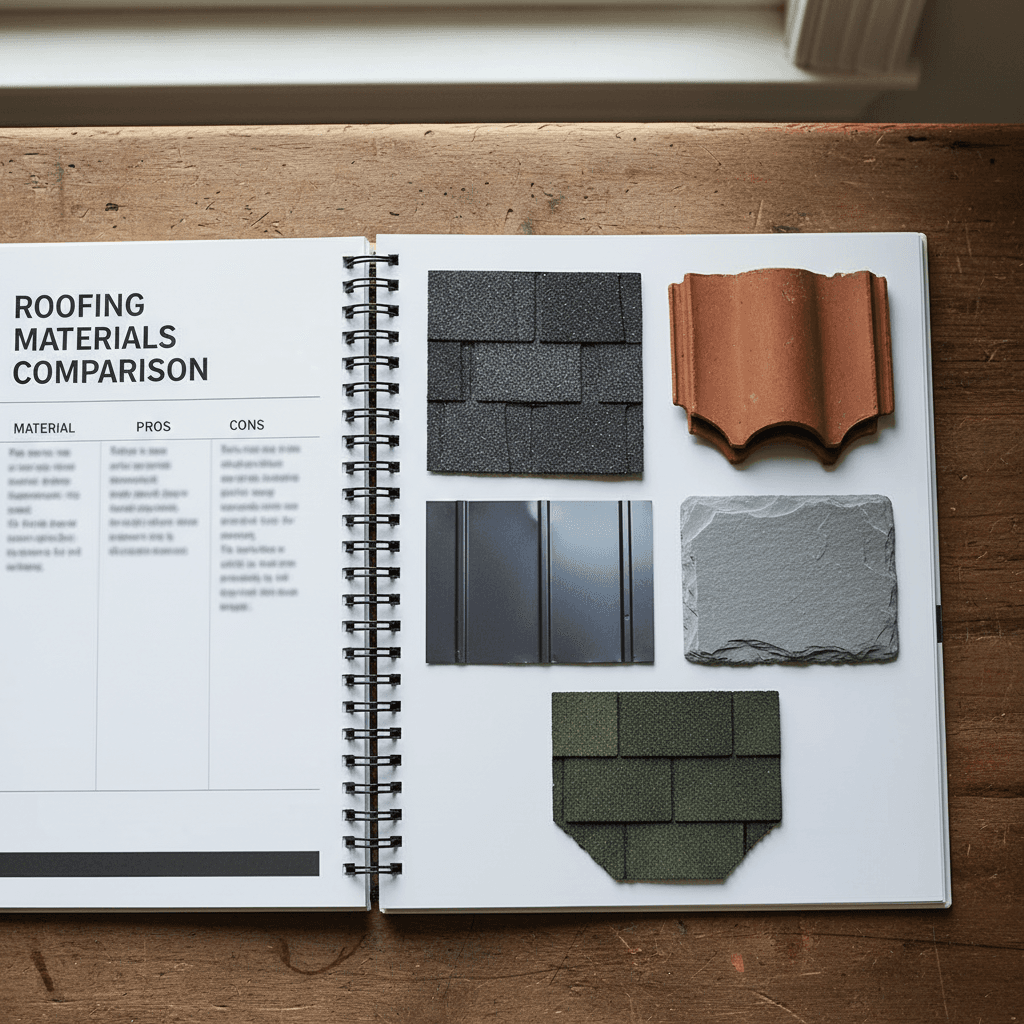
Before choosing corrugated metal, compare it against standing seam metal and high-quality architectural shingles based on your specific home, location, and budget.
North Carolina Climate Considerations
Our state’s combination of high humidity, heavy rainfall, wind-driven rain during storms, and significant temperature swings creates specific challenges for metal roofing.
Thermal expansion and contraction can loosen fasteners over time if lower-quality screws are used. In coastal or near-coastal areas, corrosion resistance becomes more important. Mountain regions may need additional attention to snow load and ice dam details. Proper ventilation underneath the metal is also critical — without it, you can trap moisture that eventually affects the roof deck and attic space.
Homeowners often underestimate how important fastener quality and flashing details are with this type of roofing. Cutting corners here is one of the most common reasons corrugated metal roofs develop leaks within 5–10 years in North Carolina.
Pros and Cons of Corrugated Metal Roofing in NC
Pros:
Lower material cost compared to standing seam metal
Relatively fast installation on simpler roof designs
Good lifespan (20–40+ years) when quality panels and fasteners are used
Lightweight, which can be helpful on certain structures
Recyclable at end of life
Cons:
Exposed fasteners can loosen or corrode over time
More potential leak points than standing seam systems
Can be noisier during heavy rain without proper underlayment and insulation
Aesthetic limitations for many traditional NC neighborhoods
Requires careful flashing details where it meets walls or other roof types
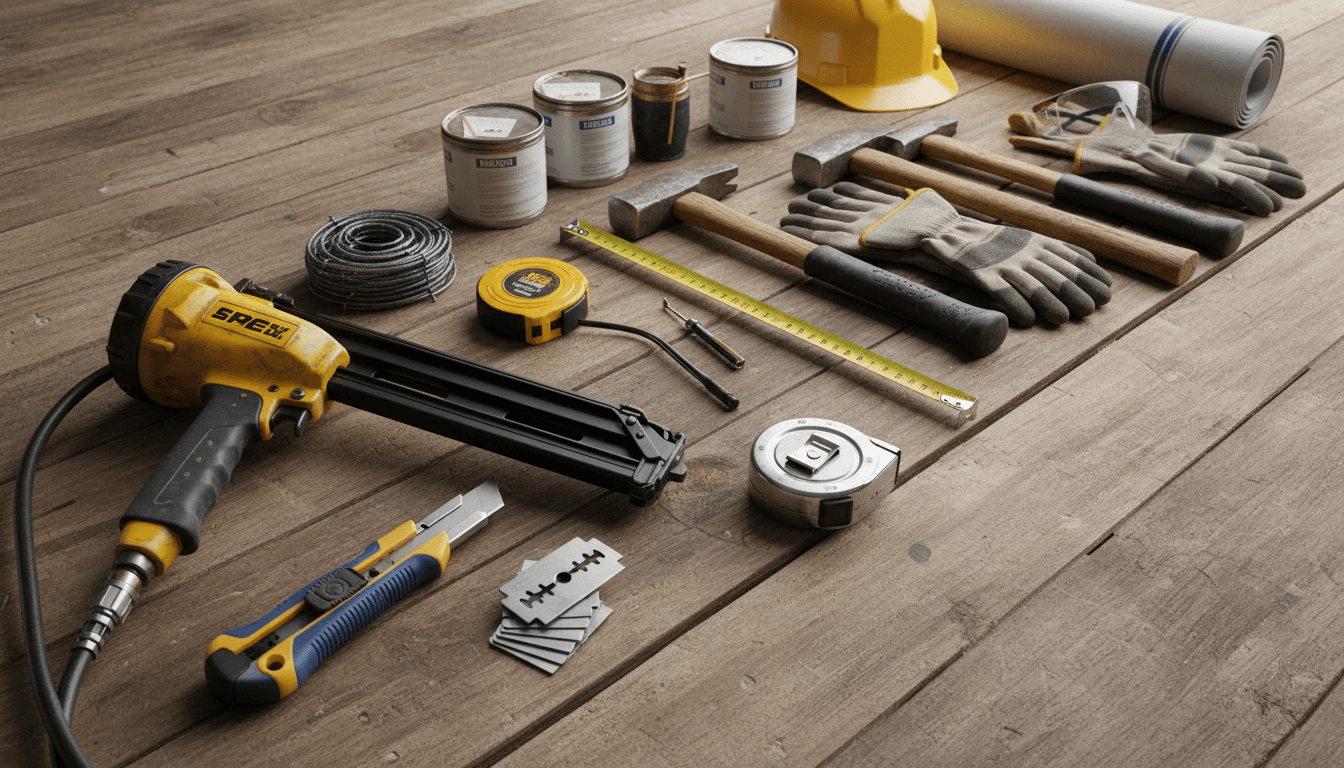
Useful Products for Corrugated Metal Roofing Projects
When researching materials, focus on quality rather than the cheapest options. Here are some well-regarded products worth considering:
For panels, many homeowners look at corrugated metal roofing panels designed for residential and agricultural use. Choosing the right gauge and coating makes a difference in durability in North Carolina’s climate.
Metal roofing screws with EPDM washers help create a better seal and resist backing out from thermal movement. Using quality screws is one of the most important details for long-term performance.
Metal roof closure strips (both inside and outside) are essential for preventing wind-driven rain, insects, and debris from entering at the eaves and ridge.
Butyl roofing tape and high-quality flashing materials help seal around penetrations, valleys, and transitions. Proper flashing is one of the most important factors in keeping a corrugated metal roof leak-free.
For extra protection at seams and edges, many installers also use Eternabond tape or similar butyl sealant tape as added insurance in high-wind or heavy-rain areas.
Good synthetic underlayment for metal roofs can help reduce noise and add an extra layer of protection against moisture.
Ridge vent for metal roofing is worth considering on longer runs to improve attic ventilation and reduce heat buildup.
Some homeowners also add foam closure strips with adhesive for a tighter seal at the eaves and ridge in windy areas of the state.
Cost Expectations in North Carolina (2026)
Installed costs for corrugated metal roofing in North Carolina typically range from $4.50 to $8.50 per square foot depending on the gauge, coating, complexity of the roof, and whether you’re doing new construction or a tear-off. This is generally lower than standing seam but can approach or exceed architectural shingle costs once you factor in quality fasteners, closures, and flashing details.
Rural properties and simpler roof designs tend to land on the lower end. Homes with multiple valleys, penetrations, or steep pitches usually cost more. Always get several detailed quotes and pay close attention to what’s included in fastener quality and flashing work.
For a broader look at current roofing costs across the state, see our North Carolina roof cost guide.
When Corrugated Metal Makes Sense vs Other Options
Corrugated metal is often a smart choice for:
Outbuildings and workshops
Budget-conscious rural homes
Situations where you want a metal roof without the higher cost of standing seam
It is usually less ideal for:
Neighborhoods with strict HOA rules or traditional aesthetics
Homes where maximum wind resistance and minimal maintenance are priorities
Situations where you want the roof to last 40–50+ years with very low risk of leaks
Many homeowners in our area end up choosing architectural shingles or standing seam metal for their primary residence and using corrugated metal on secondary structures.
Final Thoughts
Corrugated metal roofing can be a practical and cost-effective option in North Carolina when you choose quality materials, pay attention to fasteners and flashing, and use it in the right applications. It’s not the best choice for every home, but it performs well on many outbuildings, additions, and certain residential projects when installed correctly.
Take time to research specific panel profiles, fastener quality, and proper installation details for our climate. A little extra attention upfront can prevent expensive leak repairs later.
This site contains affiliate links. As an Amazon Associate, RoofingHut earns from qualifying purchases at no extra cost to you.