Gorilla Waterproof Roof Sealant Review: Best Roof Leak Repair for NC Homes 2026
Roof sealant can be a useful short-term tool for stopping active leaks, but it is rarely a permanent fix. In North Carolina’s humid climate with frequent storms and heavy rainfall, most sealants eventually break down, crack, or lose adhesion. Homeowners should treat them as temporary measures while they identify and properly repair the actual source of the leak.
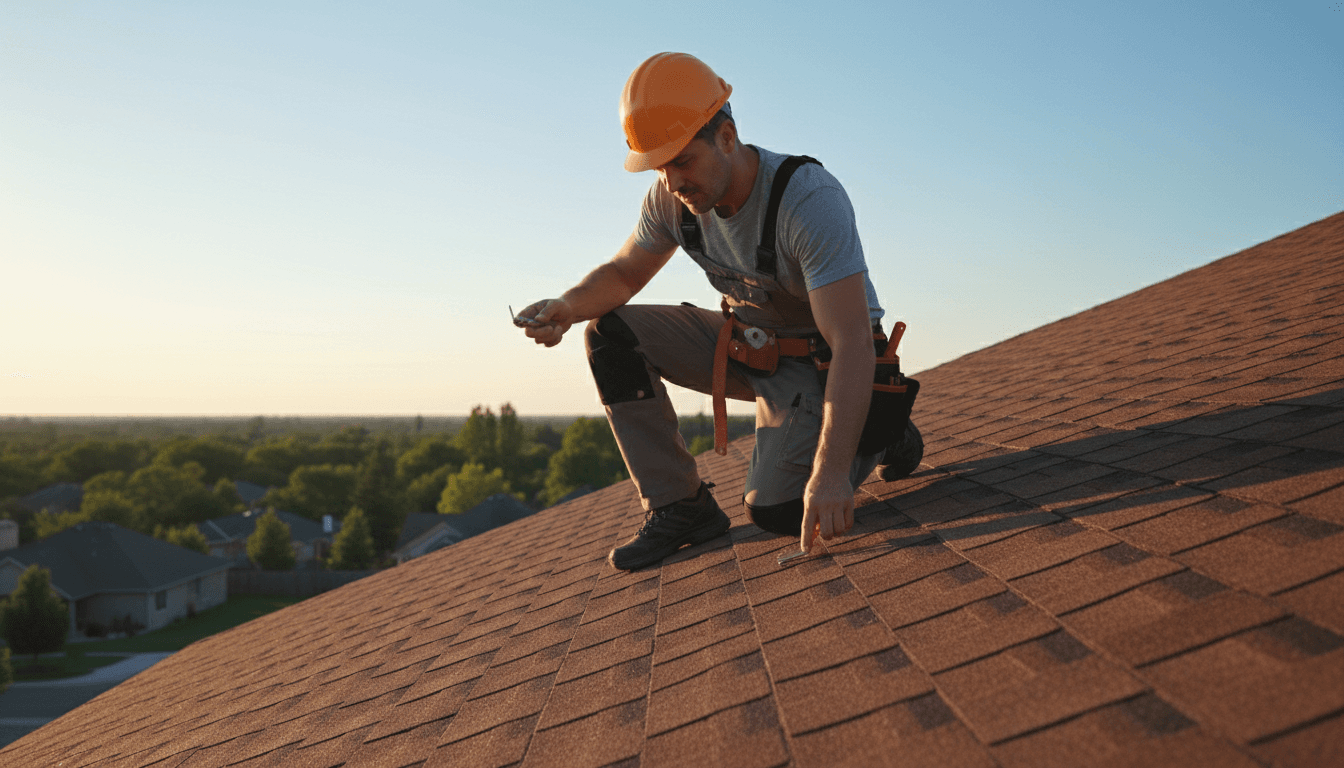
In my experience working with homes across Surry, Yadkin, Wilkes, and Iredell counties, I’ve seen many situations where sealant was applied over a problem without understanding where the water was actually entering. This often leads to bigger issues later because the real damage continues behind the scenes.
When Roof Sealant Makes Sense in North Carolina
Roof sealant can be appropriate in specific situations:
Small, accessible gaps or cracks where you need to stop water intrusion quickly
Emergency protection after a storm while you arrange a proper repair
Temporary sealing around flashings, vents, or pipe penetrations that are difficult to replace immediately
Short-term fixes on outbuildings or secondary structures where a full roof replacement isn’t practical right away
Sealant works best when you know exactly what you’re sealing and you have reasonable expectations that it’s buying you time, not solving the underlying problem.
Honest Review of Gorilla Waterproof Patch & Seal
Gorilla Waterproof Patch & Seal is one of the more popular products homeowners reach for because it’s widely available and marketed as heavy-duty. It performs reasonably well for small, clean, dry surfaces in the short term. Many people have success using it on metal roofs, gutters, flashing, and around pipe boots for temporary leak control.
However, there are limitations. Like most liquid sealants, it can struggle with constant water exposure, significant movement from thermal expansion, and areas that stay damp. In North Carolina’s humidity, proper surface preparation becomes very important. If the area isn’t completely clean and dry before application, adhesion often fails within a season or two.
It’s generally better suited for small patches than large areas. For bigger sections of roof, products designed specifically for roofing tend to hold up longer.
Other Roof Sealant and Repair Options
There are several categories of products worth comparing depending on your situation:
Liquid rubber sealants and elastomeric coatings can cover larger areas and offer more flexibility than standard caulks. They work better on metal and some flat or low-slope sections.
Roof repair tapes and butyl rubber tapes often outperform liquid sealants for many applications because they create a mechanical bond and handle movement better. These are frequently a stronger choice for flashings and seams.
Roofing tar and asphalt-based sealants have been used for decades on certain roof types. They can be effective but tend to dry out and crack over time in our climate, especially when exposed to direct sunlight.
Heavy-duty roof tarps can provide emergency protection over larger damaged areas while you plan permanent repairs. They’re especially useful after storms when you need to prevent further water damage quickly.
Common Mistakes North Carolina Homeowners Make
One of the biggest issues I see is applying sealant without properly diagnosing the leak. Water can enter the roof at one point and travel along the decking or underlayment before showing up as a stain inside the home. Smearing sealant over the interior stain or the lowest visible spot often misses the actual entry point.
Another common mistake is using sealant on old or deteriorated roofing as a way to avoid replacement. If the shingles or metal are brittle, curled, or soft underfoot, sealant is only delaying the inevitable and can sometimes trap moisture against the roof deck.
Finally, many people underestimate how important surface preparation is. Dirt, old sealant, moisture, and loose material will cause almost any sealant to fail prematurely.
Better Long-Term Approaches
While sealants have their place for temporary fixes, most leaks are better addressed with proper repairs:
Replacing damaged flashing or step flashing
Repairing or replacing individual shingles or panels
Resealing or replacing pipe boots and vent flashings
Addressing valley and ridge issues
Improving attic ventilation and insulation to reduce condensation problems
In many cases, investing in a targeted repair now prevents much more expensive damage to insulation, ceilings, and interior finishes later.
Useful Products for Roof Leak Repairs
When you need sealant or repair products, here are some options worth considering:
Gorilla Waterproof Patch & Seal is popular for small accessible leaks and performs decently for short-term use on metal and flashing.
Henry’s Roof Sealant or similar elastomeric sealants can be better for larger areas and offer more flexibility.
Roof repair tape / butyl flashing tape often gives stronger and longer-lasting results than liquid sealants for seams, flashings, and penetrations.
Eternabond RoofSeal tape is a heavy-duty option many professionals keep on hand for emergency and semi-permanent repairs.
Heavy duty roof tarps are useful for protecting larger damaged sections after storms while you arrange proper repairs.
Roofing caulk / sealant for metal and shingles can be helpful for small gaps around fasteners and edges when used as part of a larger repair strategy.
When to Move Beyond Sealant
If your roof is more than 15–20 years old, has multiple soft spots, or has already been heavily sealed in the past, it’s usually better to focus on proper repair or replacement rather than continuing to apply more sealant. Temporary fixes can buy time, but they rarely solve the underlying issues in North Carolina’s climate.
For cost planning on more permanent solutions, see the Charlotte roof cost guide.
Final Thoughts
Roof sealants like Gorilla Waterproof Patch & Seal can be helpful for stopping small leaks temporarily and protecting your home after storms. They work best when used with realistic expectations and proper surface preparation. However, they are not a substitute for correct flashing, shingle or panel repair, or eventual roof replacement.
The most effective approach is usually to use sealant to stop active leaking while you diagnose the real problem and plan a proper long-term fix. This prevents unnecessary damage and usually costs less in the long run.
This site contains affiliate links. As an Amazon Associate, RoofingHut earns from qualifying purchases at no extra cost to you.