Best Roofing Shingles for North Carolina Homeowners in 2026: Top Picks by Budget, Wind and Climate
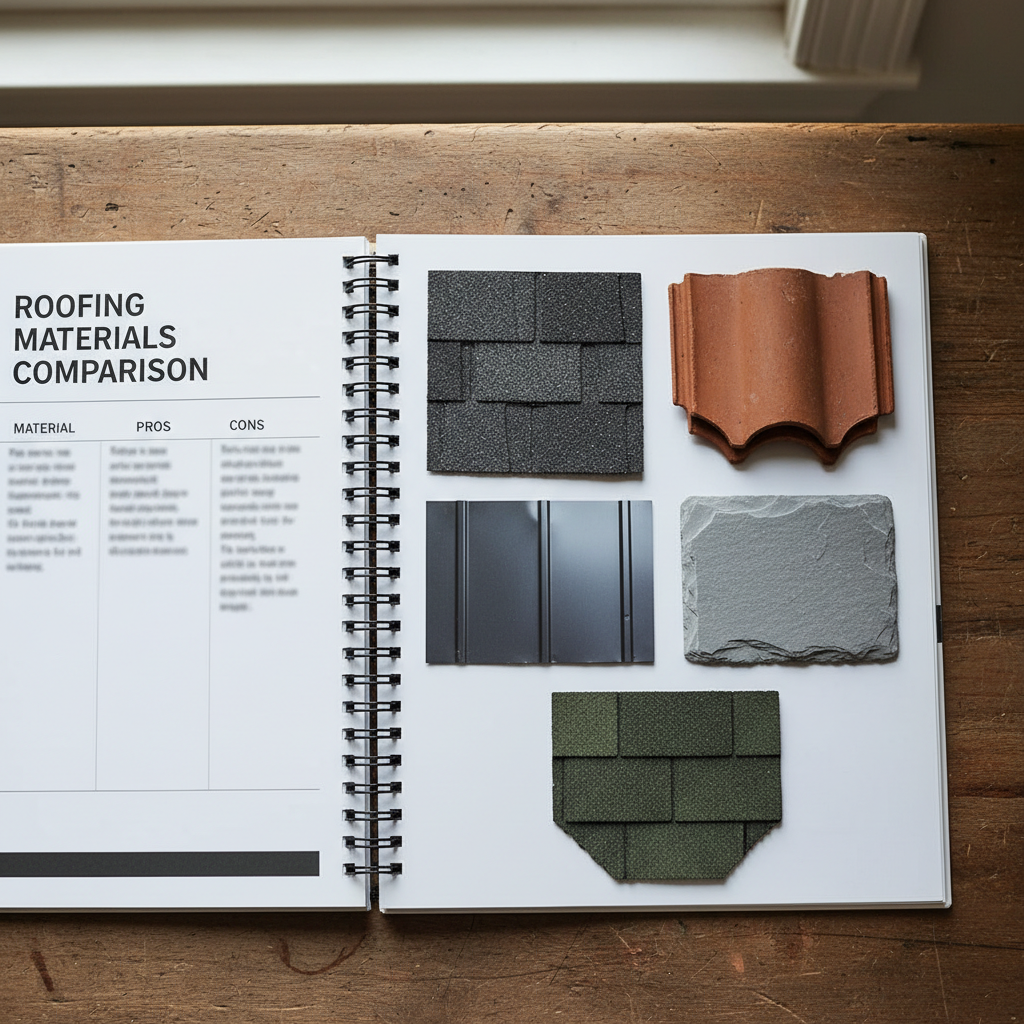
Choosing the right shingles for a North Carolina home involves more than just picking a color or brand. Factors like your budget, wind exposure, how much shade your roof gets, roof complexity, and how long you plan to stay in the home all play a role in what will perform best. The ideal shingle for a shaded lot in the Piedmont may not be the best choice for a coastal home dealing with salt air and higher wind loads or a mountain property that sees snow and ice.
In my work helping homeowners with home performance across Surry, Yadkin, Wilkes, and Iredell counties, I’ve seen how shingle choice and installation quality affect more than just the roof itself. Poor ventilation, inadequate underlayment, or shortcuts during installation can lead to moisture issues, reduced energy efficiency, and problems that eventually impact HVAC systems and indoor comfort.
Key Factors North Carolina Homeowners Should Consider
Before choosing shingles, it helps to think through several practical questions:
How much wind does your area actually get? Homes in more exposed locations or near the coast need shingles with stronger wind ratings and proper installation details to maintain warranties.
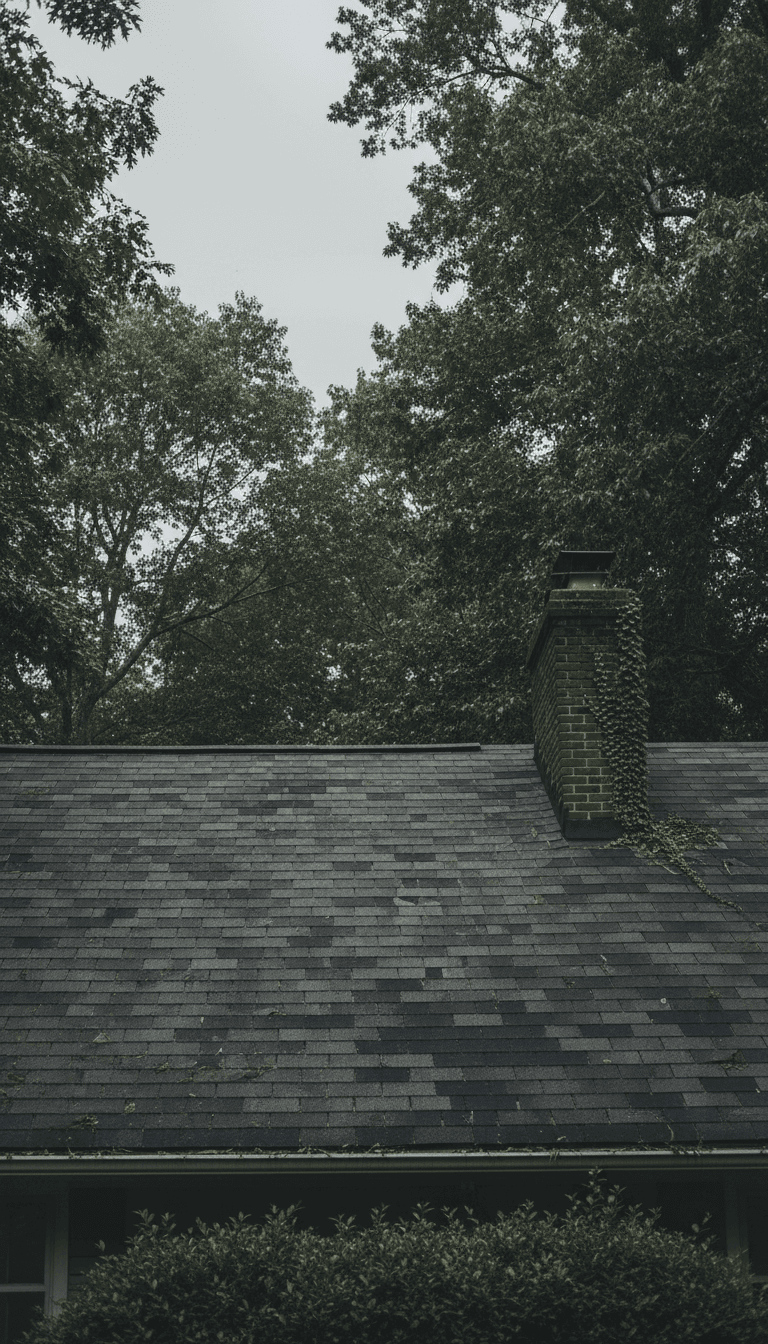
How much shade does your roof receive? Shaded roofs in humid parts of North Carolina are more prone to algae and moss growth, which can affect appearance and, over time, performance.
What is your roof’s complexity? Simple roofs with fewer valleys and penetrations are generally easier to install well and maintain. More complex roofs benefit from higher-quality materials and careful attention to flashing details.
How long do you plan to stay in the home? If you’re planning to sell within a few years, a solid mid-range shingle may make more sense than premium products. If this is your long-term home, investing in better materials and a complete system often pays off.
Regional Differences Across North Carolina
North Carolina has several distinct climate zones that affect roofing performance:
In the Piedmont and central part of the state, high humidity combined with hot summers and occasional strong thunderstorms makes algae resistance and good attic ventilation especially important. Heat buildup in attics can also affect energy bills and HVAC workload.
Coastal areas face higher wind exposure, salt air that can accelerate corrosion on metal components, and the potential for hurricane-force winds during storm season. Wind-rated shingles and proper fastening become critical here.
Mountain regions deal with colder temperatures, snow load, ice dams, and freeze-thaw cycles. These conditions require attention to ventilation, ice and water shield in vulnerable areas, and shingles that can handle thermal movement.
Budget-Friendly Options That Still Perform Well
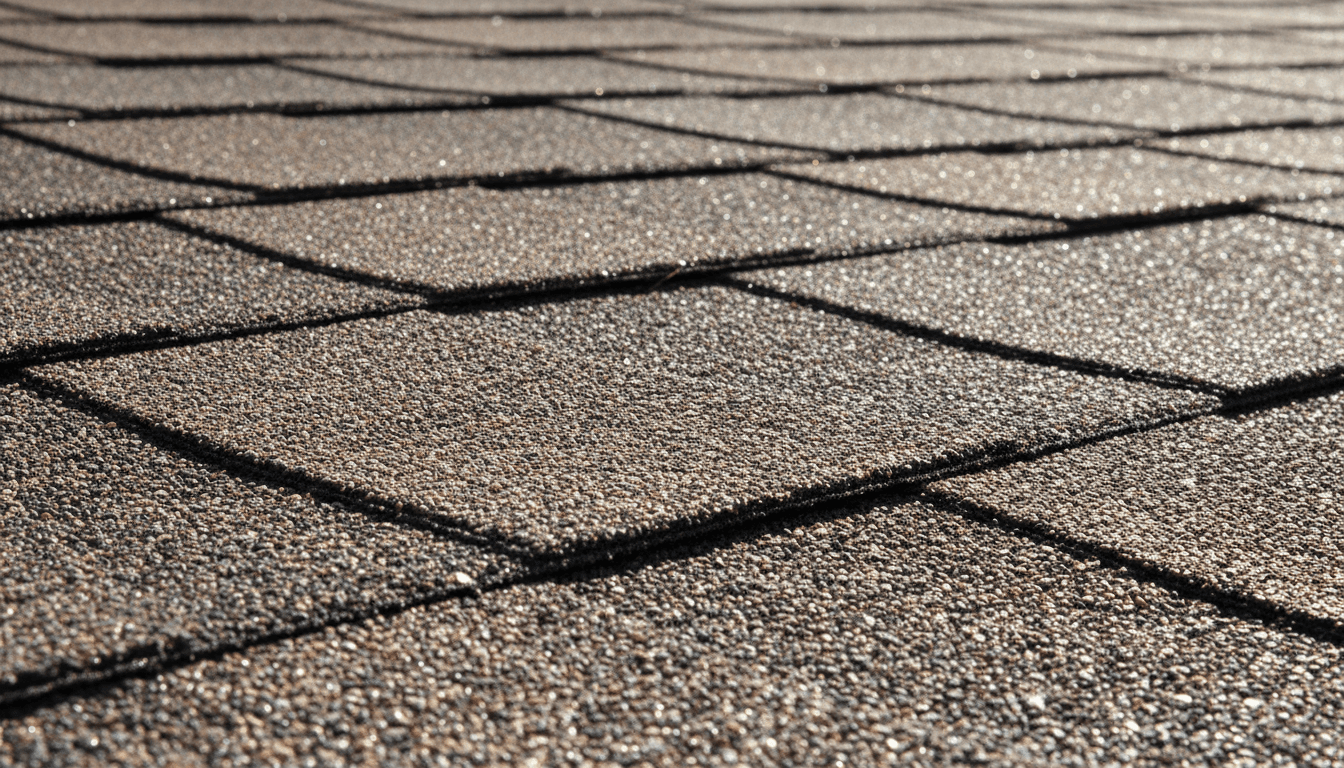
Many homeowners want good performance without overspending. Architectural (laminated) shingles in the mid-price range often offer a strong balance of durability, wind resistance, and value when installed as part of a complete system.
Pairing these shingles with quality synthetic roofing underlayment instead of traditional felt can improve moisture protection and ease of installation. Good underlayment helps protect the roof deck during construction and provides an extra layer of defense against leaks.
Using proper starter strip shingles along the eaves and rakes is also important. These help secure the first course of shingles and improve wind resistance at the edges where uplift often begins.
Wind-Resistant Choices for Exposed Locations
For homes with higher wind exposure, look for shingles with strong wind ratings and make sure the installation follows the manufacturer’s requirements for nail placement and quantity. Many wind warranties require specific nailing patterns and the use of starter strips and ridge cap shingles designed for high-wind performance.
Ridge cap shingles that match your field shingles not only improve appearance but also help maintain wind ratings when installed correctly. Some ridge cap products are specifically engineered for better wind resistance.
Proper drip edge flashing along the eaves and rakes is another detail that contributes to overall wind and weather performance. It helps direct water away from the roof deck and fascia while supporting the edge of the shingles.
Humidity, Algae, and Long-Term Appearance
In many parts of North Carolina, especially shaded or wooded lots, algae and moss growth on shingles is a common complaint. While it doesn’t always cause immediate leaks, heavy growth can hold moisture against the shingles and eventually affect their lifespan and appearance.
Choosing algae-resistant shingles can help slow this process. Some homeowners also use roof algae cleaner periodically to maintain appearance, though prevention through better sunlight exposure (where possible) and good ventilation is usually more effective long-term.
Good attic ventilation plays a major role here. Proper airflow helps reduce heat and moisture buildup that can contribute to algae growth and other roof problems.
The Full Roofing System Matters More Than the Shingle Alone
One of the most common issues I see is focusing only on the shingles while overlooking the rest of the system. Even high-quality shingles can underperform if the underlayment, ventilation, flashing, and insulation details are neglected.
A complete approach usually includes:
Quality underlayment suited to your roof slope and climate
Proper ventilation to manage heat and moisture
Correct flashing at valleys, walls, chimneys, and penetrations
Adequate insulation and air sealing in the attic
When these pieces work together, the roof performs better, lasts longer, and has less impact on your home’s energy efficiency and HVAC system.
What to Look for in a Quality Installation
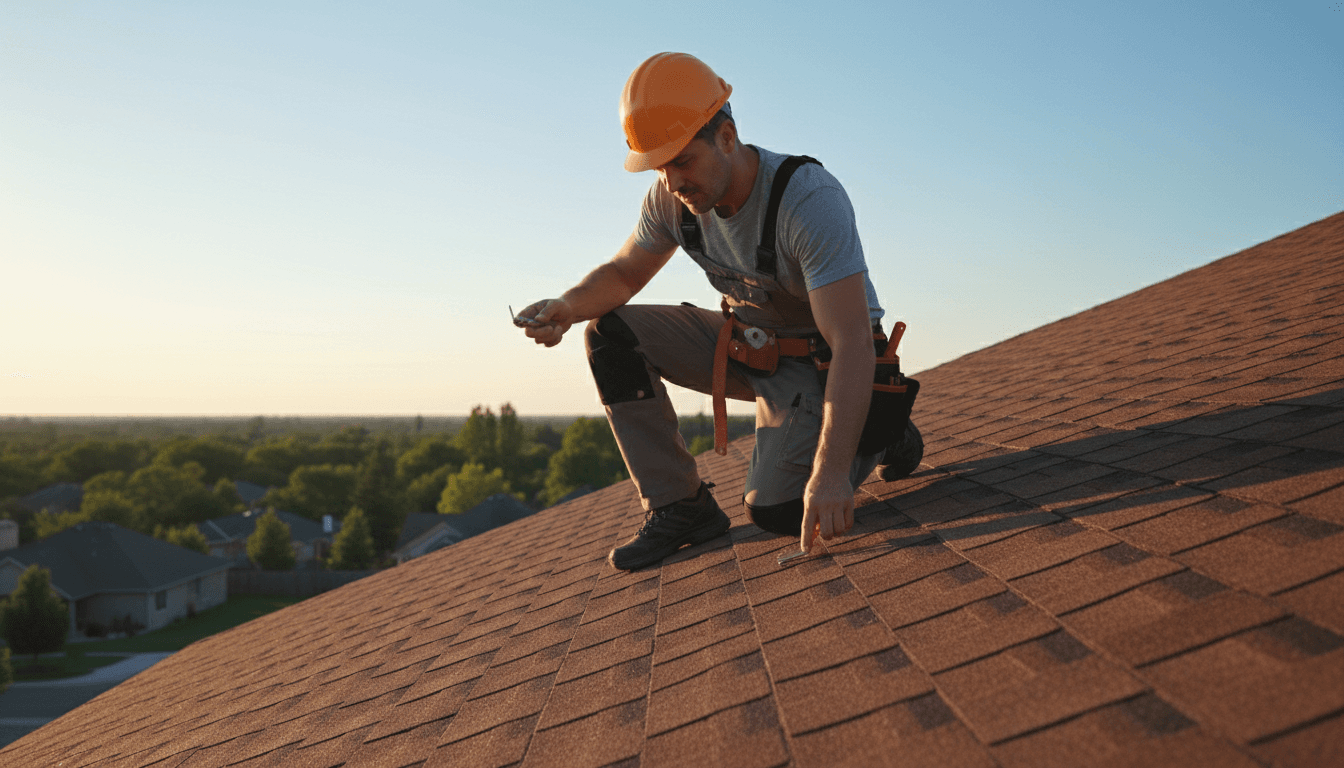
No matter which shingles you choose, installation quality has a major impact on performance. A good crew will follow the manufacturer’s instructions for nailing patterns, use the correct starter and ridge products, install flashing properly, and pay attention to ventilation and insulation details.
Ask questions about how they handle these items. Crews that take the time to explain their approach and follow manufacturer guidelines are usually more likely to deliver a roof that performs well for years.
Final Thoughts
The best roofing shingles for your North Carolina home depend on your specific location, budget, roof design, and how long you plan to stay. In most cases, focusing on a complete system — good shingles paired with proper underlayment, ventilation, and flashing — delivers better long-term results than choosing based on shingles alone.
Take time to understand the conditions your roof faces and prioritize installation quality. A well-chosen and properly installed roof protects your home, supports better energy performance, and gives you fewer problems over time.
This site contains affiliate links. As an Amazon Associate, RoofingHut earns from qualifying purchases at no extra cost to you.