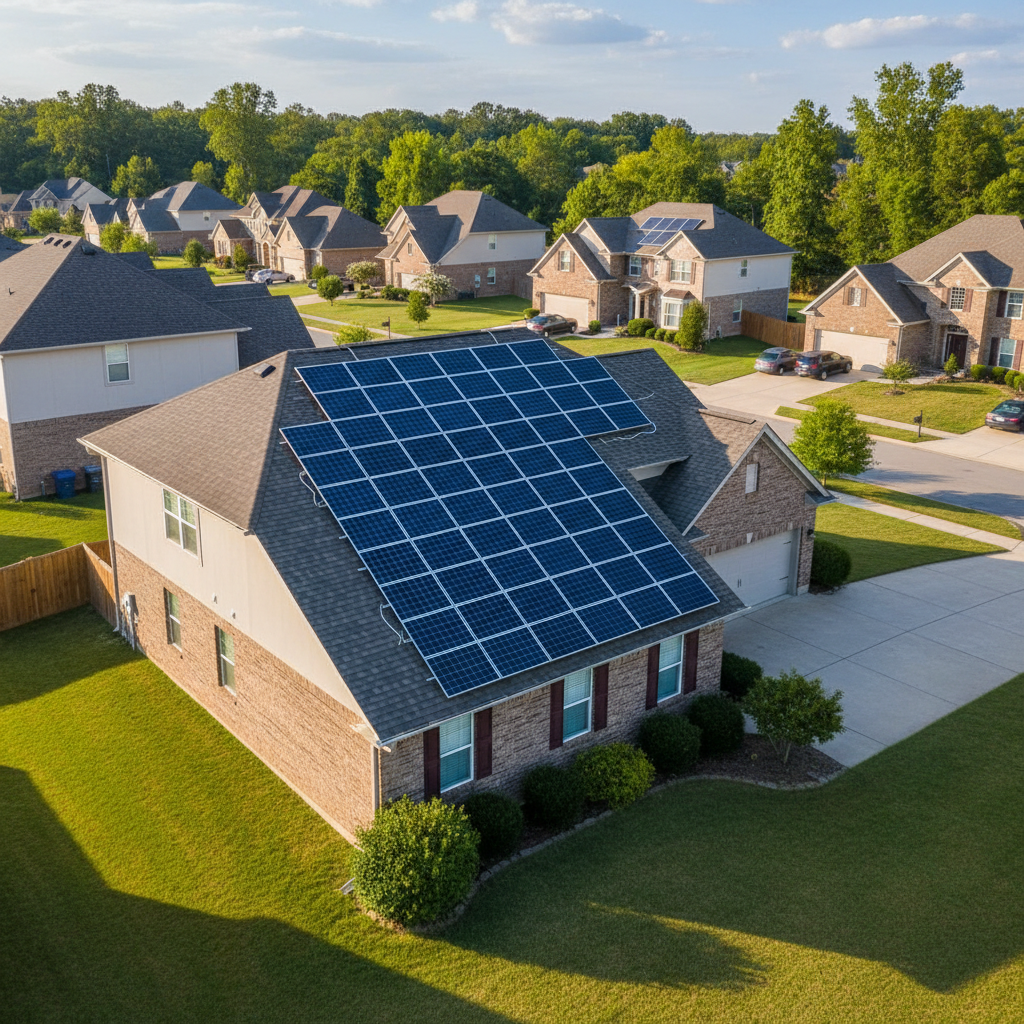
The best solar products for homeowners 2026 include high-efficiency REC 460W solar panels for overall performance and the Tesla Powerwall 3 for reliable home battery storage. Maxeon 475W panels lead the market in efficiency; meanwhile, FranklinWH aPower 2 batteries offer the highest peak power for demanding household energy needs.
As energy costs continue to climb and the technical landscape of renewable energy shifts, homeowners face the daunting task of selecting high performance components that will last for decades. Navigating the sea of marketing jargon while trying to maximize your return on investment can feel overwhelming; however, choosing the wrong hardware today often leads to integration headaches or system underperformance tomorrow. At Roofinghut, we prioritize structural integrity and long term efficiency, which is why we have vetted the latest innovations hitting the market this year. In this guide, you will discover the most efficient solar panels for limited roof space, the critical differences between modern hybrid and string inverters, and a head to head comparison of the leading battery storage solutions like the Tesla Powerwall 3. We also provide practical examples for North Carolina residents to ensure your setup is optimized for local conditions and your specific budget.
TL;DR: The best solar products for homeowners in 2026
Choosing the best solar products for homeowners 2026 involves balancing raw efficiency with local installation realities. While lab specifications are helpful, your final selection should prioritize system compatibility and long-term serviceability. Our editorial team has identified the top performers based on reliability, warranty strength, and performance in varied North Carolina climates.
Category | Top Pick | Key Advantage |
|---|---|---|
Best Panel Overall | REC Alpha Pure-RX | 22.1% efficiency and 25-year labor warranty. |
Best Value Panel | Hyundai NF(BK) 440W | High wattage at a competitive price per watt. |
Best Microinverter | Enphase IQ8 Series | Superior shade management and redundancy. |
Best Hybrid Inverter | SolarEdge Home Hub | Optimized for DC-coupled battery efficiency. |
Best Solar Battery | Tesla Powerwall 3 | Integrated inverter simplifies installation. |
Best for Backup | FranklinWH aPower | High peak power for starting large HVAC units. |
Individual results vary based on roof shading from mature trees, available south-facing surface area, and specific backup requirements during storm-related outages. Before committing to equipment, ensure your roof structure is in prime condition to support a 25-year system.
How we picked the best solar products for homeowners in 2026

A good solar product is not automatically the right solar product for your house. For this list of the best solar products for homeowners 2026, we used a homeowner-first scoring method that evaluates how equipment works together as a system, not just how one panel or battery performs on a spec sheet.
We scored every category using the same practical criteria homeowners actually compare during real quotes: efficiency, degradation rate, warranty length, battery usable capacity, continuous and peak power, blackout capability, compatibility between panels, inverters and batteries, service network, app quality, and expected value per watt or per kWh. That means a product with slightly lower headline specs could still rank better if it offers stronger monitoring, easier battery expansion, better installer support, or a more favorable long-term value.
This matters more in North Carolina than many national roundups admit. In Charlotte, Mooresville, Huntersville, Cornelius, Statesville, and Elkin, summer heat can reduce real-world panel output, afternoon tree shade can change the best inverter choice, and storm-related outages can make battery power and blackout performance more important than raw storage size alone. Roof orientation also matters. A clean south or southwest roof plane may favor one setup, while a cut-up roof with dormers or mature trees may favor another.
We also weighted roof condition before solar. At Roofinghut.com, we do not treat the roof as an afterthought. If shingles are aging or the roof deck has concerns, the smartest solar decision may start with the roof itself. Before you compare equipment, browse Roofinghut product guides if you want a clearer picture of roofing fit before installation.
Best solar panels for homes in 2026: top picks for efficiency, value and roof space
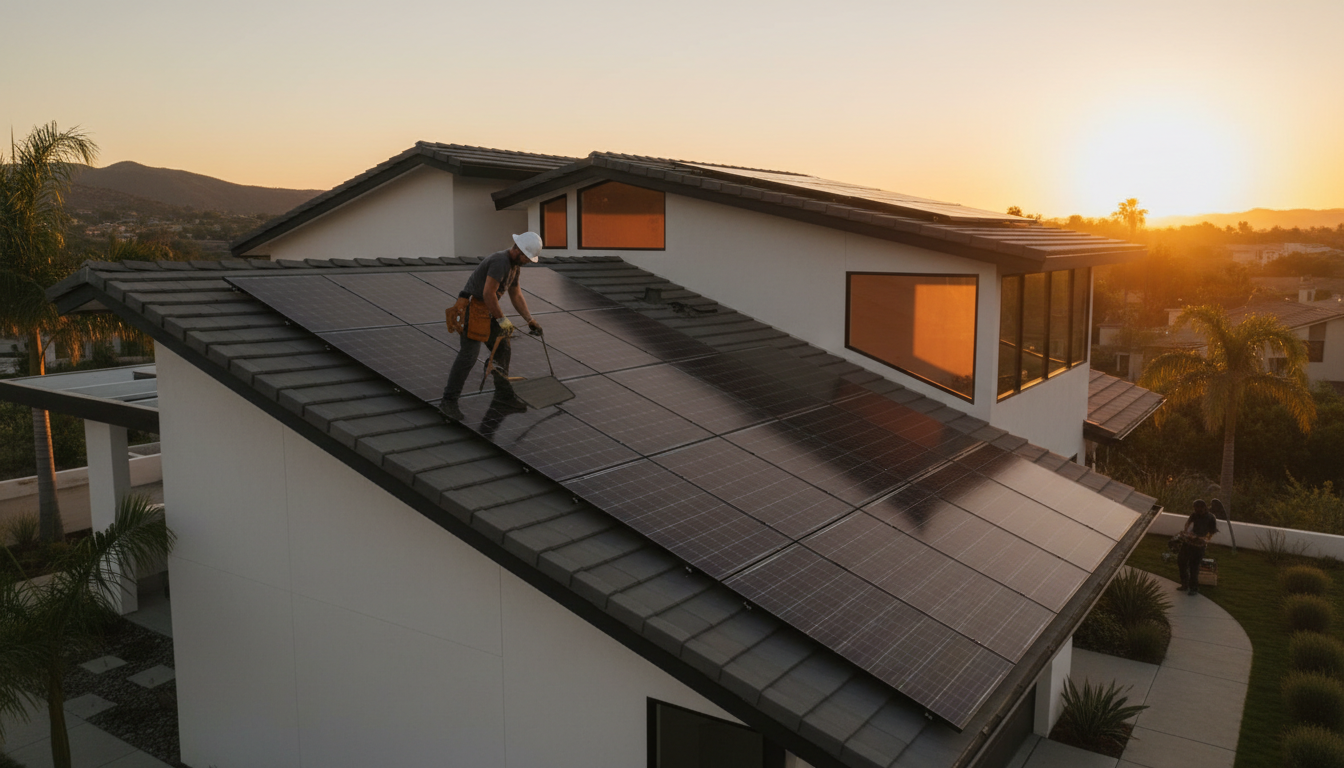
With roof condition handled first, the next question is panel class. For most readers searching for the best solar products for homeowners 2026, the right panel is less about brand prestige and more about how much production you need from the roof area you actually have.
Panel category | Likely leaders | Best fit | What to watch |
|---|---|---|---|
Premium high-efficiency | REC Alpha Pure-RX, Maxeon 6, SEG Yukon N | Smaller roofs, limited south-facing area, higher usage homes | Higher upfront cost, but more watts per square foot |
Best value | Hyundai NF(BK), Jinko Tiger Neo, Canadian Solar TOPHiKu6 | Larger roofs with plenty of usable space | Slightly lower premium features, often strong value per watt |
All-black aesthetic | Qcells Q.TRON BLK, REC all-black lines, Hyundai black modules | Front-facing roof planes, curb appeal priorities | Compare appearance against output and temperature performance |
The spec sheet details that matter most are straightforward:
Efficiency tells you how much power the panel can produce from a given area. If your roof has dormers, vents, or only one strong solar plane, higher efficiency from REC, Maxeon, or SEG can justify the premium.
Wattage matters for system design, but only in context. A 440W to 460W panel is attractive, yet panel dimensions and efficiency matter more than wattage alone.
Temperature coefficient affects hot-weather performance. In North Carolina summers, a better coefficient can preserve more real-world output on dark roofs exposed to afternoon heat.
Degradation rate helps estimate long-term production. Lower annual degradation means better output in years 15 to 25.
Product and performance warranties should be read separately. Maxeon is often strong on warranty terms, while REC also remains a frequent top-tier choice.
Value panels from Jinko, Canadian Solar, and Hyundai often make the most sense when roof space is generous. If you have a broad rear-facing roof plane, paying a premium for the absolute highest efficiency may not improve payback much.
For partially shaded roofs, panel selection alone will not solve the problem. Shade is usually more about inverter architecture than module brand, which we cover next. Still, pairing a solid panel with the right electronics matters more than chasing the single highest efficiency number.
If you may add a battery later, prioritize panels from established lines with strong compatibility and service support. Bankable brands such as Qcells, REC, Canadian Solar, and Jinko can make future expansion easier, especially when your installer is designing the full system, not just selling modules. If you want to compare roofing materials before panels go up, browse Roofinghut product guides.
Best solar inverter options in 2026: microinverters vs string vs hybrid
The inverter is the brains of the system, converting the DC power from your panels into the AC power used by your home appliances. When selecting the best solar products for homeowners 2026, the inverter choice often dictates the long-term reliability and flexibility of your entire installation.
Inverter Type | Leading Example | Best For | Warranty & Reliability |
|---|---|---|---|
Microinverters | Enphase IQ8 Series | Shaded roofs, complex layouts | 25 years; high redundancy |
String Inverters | Standard String | Open, unshaded roof planes | 10 to 15 years; single point of failure |
Hybrid Inverters | SolarEdge Home Hub | Battery-ready systems | 12 to 25 years; efficient storage |
Microinverters convert power at each panel. This eliminates the performance bottleneck common when one panel is shaded by a chimney or a large oak tree, which is a frequent reality in North Carolina neighborhoods like Charlotte and Huntersville. Because each unit operates independently, there is no single point of failure. If one unit fails, the rest of the system keeps running. Most microinverters come with 25-year warranties, matching the lifespan of the panels themselves.
String inverters are more traditional and centralized. They are often the most cost-effective solution for large, simple roofs in more open areas like Statesville or Elkin. While they offer a lower upfront cost, they generally lack the granular panel-level monitoring provided by micro-systems. If the central inverter goes offline, the entire array stops producing until the unit is serviced.
Hybrid inverters are specifically designed for homeowners prioritizing energy independence. Platforms like the SolarEdge Home Hub manage both the solar panels and the battery storage from a single unit, which simplifies the wiring and improves conversion efficiency. The best inverter for home use in 2026 depends on your specific roof complexity and whether you plan to add a battery now or in a few years. Before choosing electronics, ensure your underlying structure is ready for the hardware; browse Roofinghut product guides to check your roof's condition first.
Best solar battery storage in 2026: Tesla Powerwall 3, Enphase and Franklin compared
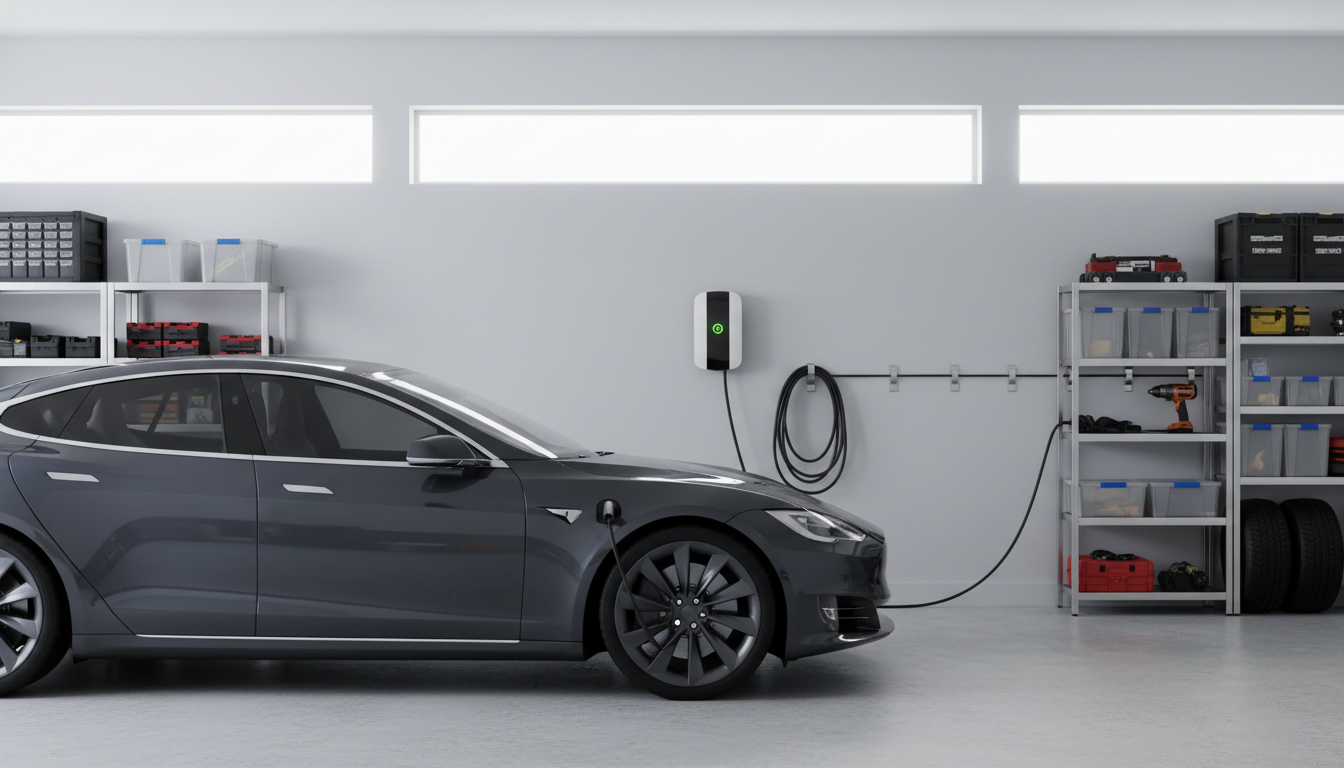
If panels determine how much energy you make, the battery determines how usable that energy is when the grid is down. For readers comparing the best solar products for homeowners 2026, this is where spec-sheet shopping can get misleading fast. A battery with more kWh is not automatically better if its power output, backup controls, or inverter compatibility do not match your house.
Battery | Usable storage | Continuous power | Peak or surge power | Best fit | Main tradeoff |
|---|---|---|---|---|---|
Tesla Powerwall 3 | 13.5 kWh | 11.5 kW | High whole-home capability | High power demand, simpler all-in-one installs | Less flexible if you want a wide mix of third-party architectures |
Enphase IQ Battery | Modular, smaller building-block approach | Lower per unit than Powerwall 3 or Franklin | Scales with added units | Enphase homes, phased expansion, panel-level ecosystems | Whole-home backup often needs multiple units |
FranklinWH aPower 2 | ~15 kWh class | Strong continuous output | Strong motor-starting and surge support | Backup-first homes, storm resilience, larger critical loads | Availability depends more on installer network |
Tesla Powerwall 3 vs Enphase battery comes down to architecture as much as battery chemistry. Powerwall 3 is attractive when homeowners want high power from a compact footprint, especially for larger loads like well pumps, HVAC startup, or broader backup panels. Enphase makes more sense when the home already uses IQ8 microinverters or the owner wants to expand storage gradually with a very mature app and strong panel-level monitoring.
Franklin vs Tesla Powerwall 3 is usually a backup question. FranklinWH has become popular with homeowners who care less about brand recognition and more about whole-home outage performance, transfer behavior, and support for heavier starting loads during storms. Tesla still stands out for power density and simple packaging.
Are solar batteries worth it in 2026? Sometimes, yes, but mostly for two reasons: outage protection and time-of-use savings. If your utility rates are flat and outages are rare, payback can be slower.
For most homes:
Best for blackout backup: FranklinWH aPower 2
Best for modular expansion: Enphase IQ Battery
Best for high power demand: Tesla Powerwall 3
Best if adding storage later: Enphase IQ Battery with Enphase microinverters, or a hybrid inverter platform designed for future storage
The best inverter and battery for home use depends on the starting point. Enphase pairs naturally with microinverter systems. Tesla is strongest when installed as an integrated package. Franklin often shines in backup-focused designs where load planning is done carefully. Before comparing battery quotes, it also helps to browse Roofinghut product guides so the roof and mounting surface are ready for the system you build on top of them.
How to choose the best solar products for your home, roof and budget

The easiest way to narrow down the best solar products for homeowners 2026 is to filter choices in the same order a good installer should.
Start with the roof, not the panel brand. If your asphalt shingles are already late in their service life, or your metal roof has fastening, flashing, or corrosion issues, fix that first. Solar should not go over a roof that may need replacement in a few years. In many North Carolina neighborhoods, especially around Charlotte, Huntersville, and older parts of Statesville and Elkin, roof ages and conditions can vary widely from one house to the next. Before comparing equipment, browse Roofinghut product guides.
Measure usable roof area and real shade. A wide, open rear roof plane can make value panels the smart choice. A cut-up roof with dormers, vents, hips, or mature oak and maple shade usually benefits more from higher-efficiency panels and microinverters. Roof space often matters more than chasing the highest wattage number on a spec sheet.
Decide if backup is essential or optional. If storm outages are a real concern, battery and inverter selection move up the priority list quickly. If backup is only a nice extra, a solar-only system may offer better value at the start.
Choose between maximum production and fastest payback. Premium modules like REC Alpha Pure-RX or Maxeon 6 make more sense on smaller or constrained roofs. On a simple, unshaded roof, a lower-cost panel such as Hyundai, Canadian Solar, or Jinko may produce a stronger financial return.
Plan for what your home may add later. If EV charging, heat pumps, induction cooking, or battery storage are likely, choose an inverter architecture that leaves room to expand.
This is where Roofinghut.com adds something most solar roundups miss. The equipment matters, but the roof under it matters first.
Best solar setup examples for North Carolina homeowners in 2026
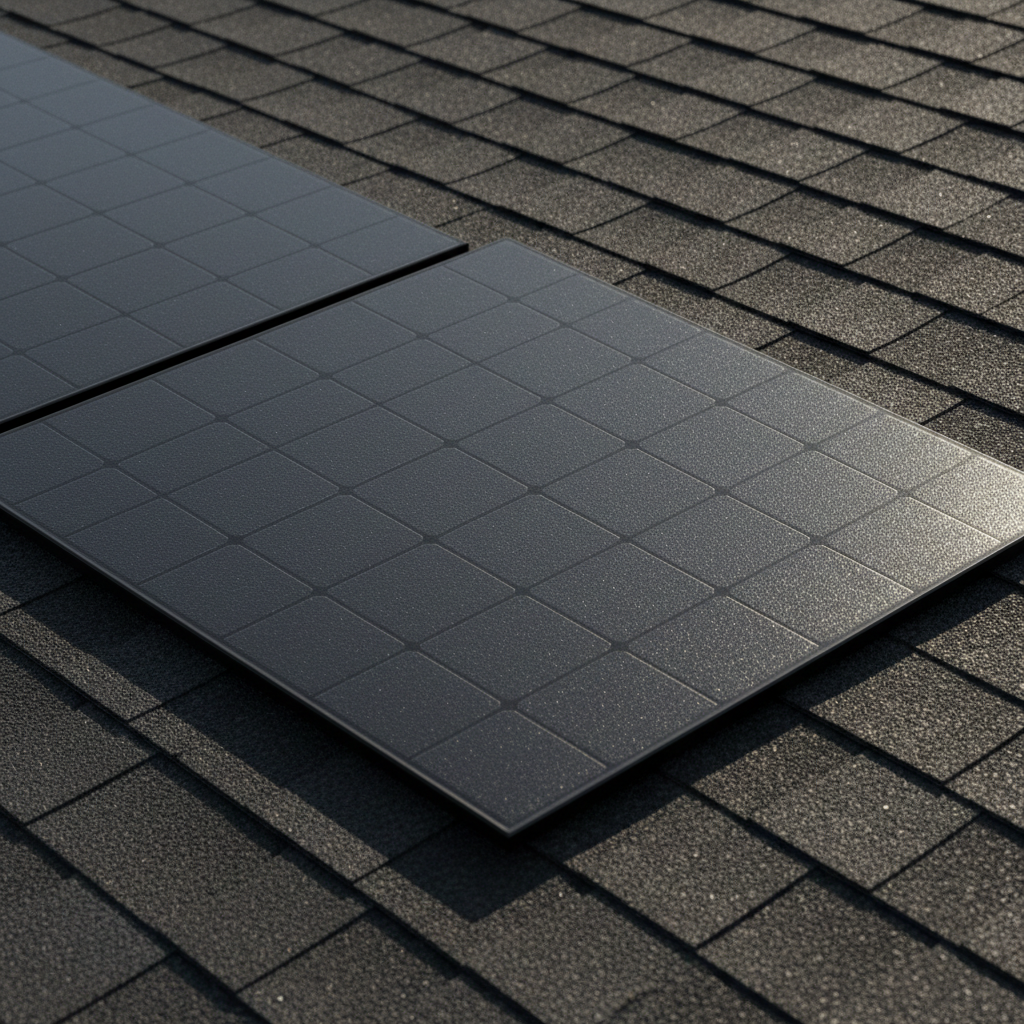
That future-planning filter becomes easier to apply when you look at real-world examples. For North Carolina readers comparing the best solar products for homeowners 2026, these sample setups show how the right pairing depends on roof shape, shade, outage risk, and roof condition first.
Homeowner scenario | Best-fit panel class | Inverter type | Battery? | Why this setup fits |
|---|---|---|---|---|
Charlotte suburban home with partial afternoon shade from mature trees | Premium high-efficiency panel, such as REC, Qcells, or Maxeon class | Microinverters, typically Enphase IQ8 class | Optional | Shade affects panels unevenly, so panel-level conversion and monitoring usually outperform a simple string layout |
Mooresville or Cornelius lake-area home wanting storm backup | Premium or mid-premium panel with strong warranty | Hybrid inverter or battery-ready architecture | Yes | Backup matters more here, especially for refrigeration, well equipment, internet, and selective HVAC support during outages |
Statesville homeowner focused on payback | Value panel, such as Hyundai, Jinko, or Canadian Solar class | String inverter on a simple roof plane | Usually no, at least initially | If the roof is open and unshaded, lower equipment cost often improves return more than premium specs do |
Elkin homeowner replacing an older roof before solar | Panel choice comes after roofing decision | Depends on final roof layout and shade | Maybe later | The smart move is often reroof first, then size solar around the new roof life, penetrations, and usable planes |
These are fit examples, not design instructions. A shaded Charlotte roof may benefit from an AC module approach like a Qcells Q.TRON AC style setup, while a simple Statesville ranch can do well with a conventional string design. In Elkin, the roof itself may be the first solar product decision, so it helps to browse Roofinghut product guides before comparing proposals.
Where homeowners make mistakes when buying solar products
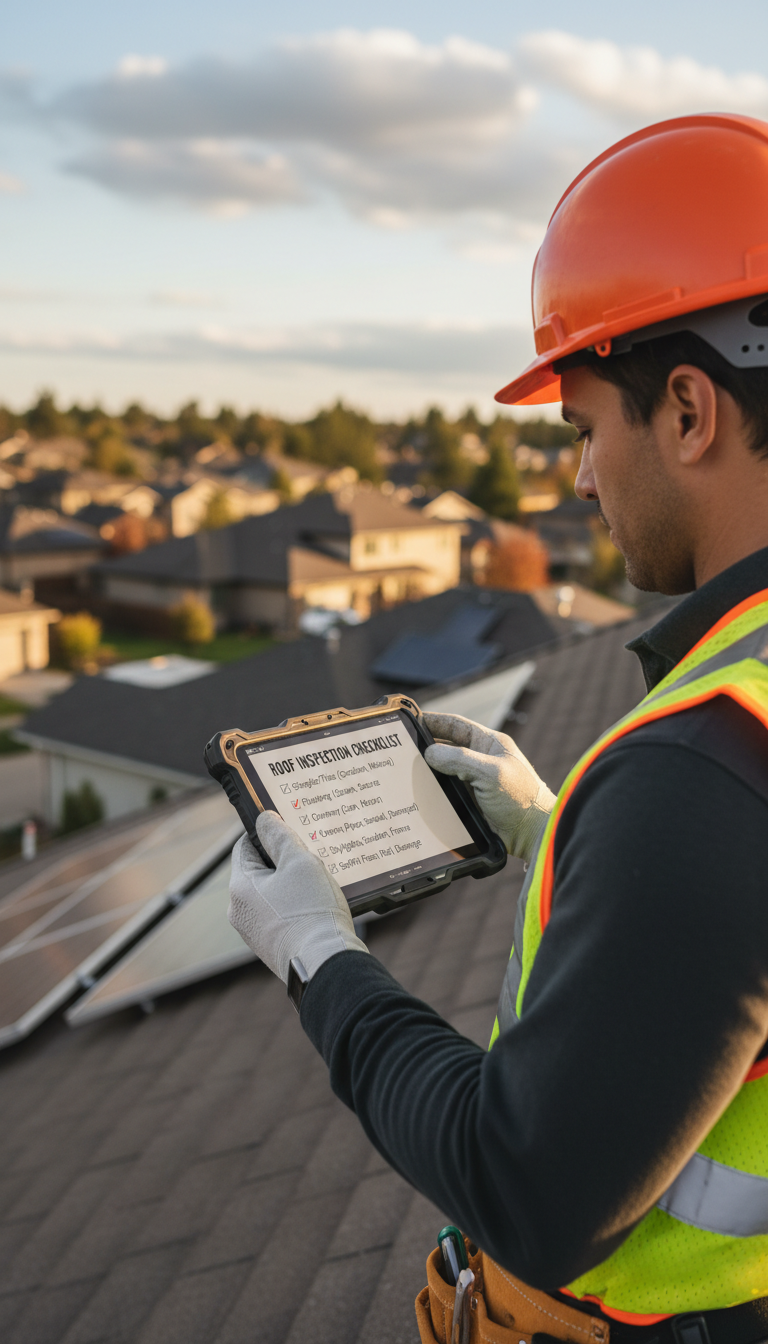
The real value in comparing the best solar products for homeowners 2026 is avoiding traps that turn a smart investment into a logistical headache. A frequent mistake is chasing peak panel efficiency while ignoring the underlying roof condition. If shingles in a neighborhood like Huntersville or Cornelius are more than fifteen years old, the cost to remove and reinstall panels for a mid-life reroof often wipes out years of solar savings.
Homeowners also struggle with sizing expectations. Usable kWh measures storage capacity, but it does not tell you if the system can handle high surge power required by an HVAC unit in Mooresville during a summer heatwave. Assuming a single battery provides whole-home backup without checking the continuous power rating leads to frustration during a storm. Finally, focusing purely on equipment brands without understanding total system design or the installer's service record can leave you with premium hardware but no local support for warranty claims.
Use this checklist when talking to installers:
Panel model number
Inverter architecture
Battery usable kWh
Blackout circuits covered
Monitoring platform
Warranty terms in writing
To verify your home is ready for an installation, browse Roofinghut product guides and check your current roof status.
CTA: Compare solar-ready roofing products and homeowner planning tools
If this comparison of the best solar products for homeowners 2026 helped narrow your options, the next smart step is to look at the roof those products will sit on. Before you request solar quotes, browse Roofinghut product guides to compare roofing materials, review roof-condition considerations, and understand what makes a home more solar-ready, especially if you are weighing reroofing or metal roofing first.
You can also learn more about Roofinghut to see how our North Carolina-focused tools and homeowner resources are built to help you plan with better information, clearer costs, and fewer surprises.
Choosing the right solar panels, inverters, and batteries is only half the equation. Proper system sizing, local climate factors, and seamless roof integration determine whether your investment pays off. If you want expert help navigating these choices, our team can review your energy needs and recommend a tailored setup. Visit our About page to learn how we partner with homeowners across every phase of their solar journey.